
Explore Manila’s historic Chinatown, where Chinese-Filipino culture, food, churches, shops and busy streets come together.
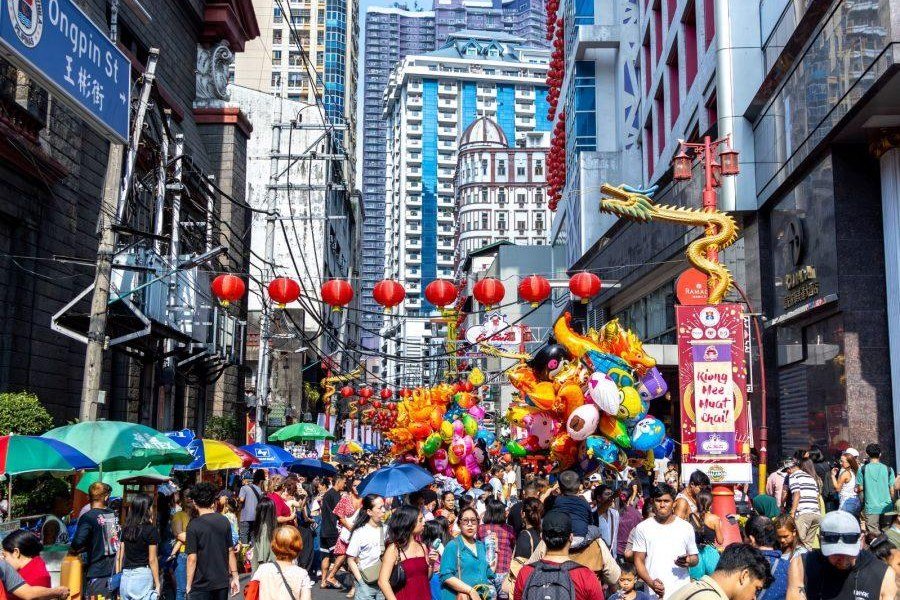
Binondo is one of Manila’s most distinctive neighbourhoods. Established during the Spanish colonial period as a settlement for Chinese residents, it developed into an important centre of trade and Chinese-Filipino life.
Today, visitors come for its history, street atmosphere and especially its food. Ongpin Street and the surrounding lanes are packed with restaurants, bakeries, shops, churches and businesses, making Binondo a place best explored slowly and on foot.
Walk Along Ongpin Street
Ongpin Street is the best-known street in Manila’s Chinatown and a natural starting point for exploring Binondo.
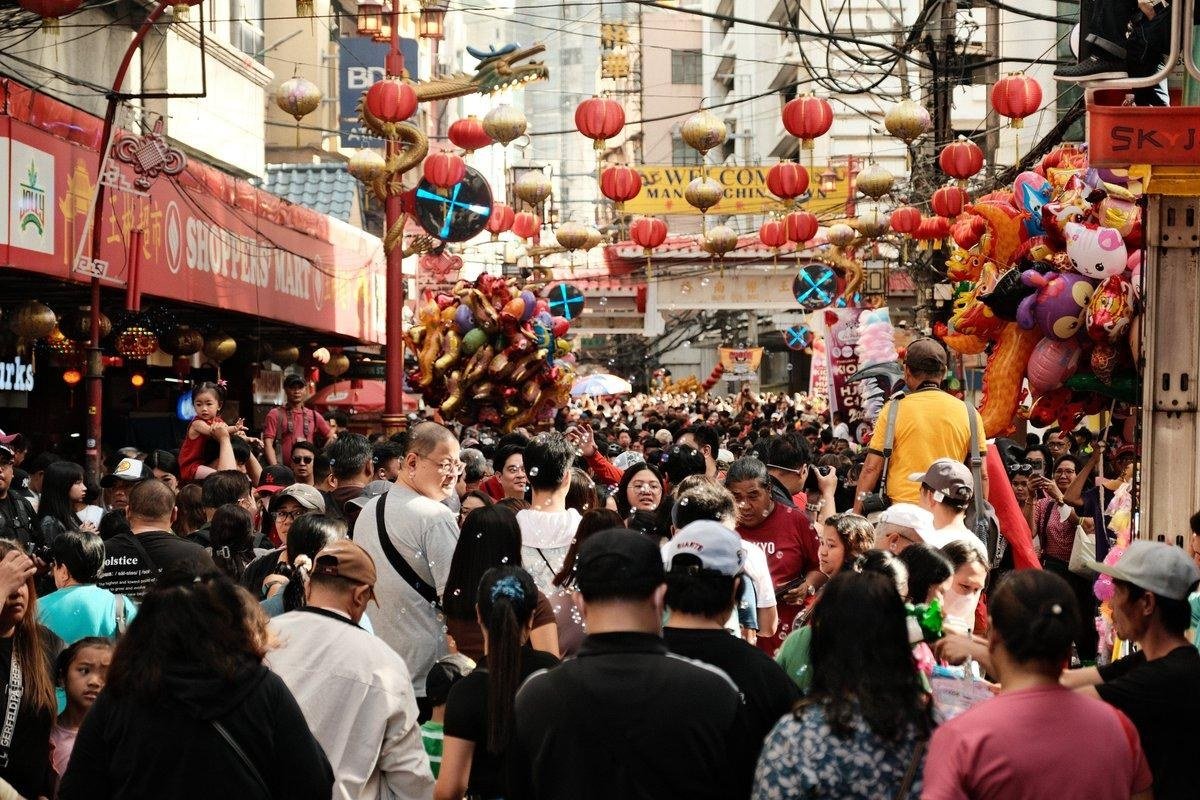
The neighbourhood can feel crowded and chaotic, but that is part of its character. Walk along Ongpin and the nearby side streets and you will find Chinese signs, traditional businesses, jewellery shops, bakeries, restaurants and food stalls mixed with the everyday activity of central Manila.
You do not need a complicated itinerary. Binondo is one of those places where simply walking, looking and stopping whenever something catches your interest is part of the experience.
Eat Your Way Through Binondo
For many visitors, food is the main reason to visit.
Binondo is famous for Chinese and Chinese-Filipino dishes, with everything from dumplings and noodles to hopia, lumpia and traditional pastries available within a relatively small area.
A good way to experience the neighbourhood is to turn your visit into your own informal food walk. Rather than eating one large meal, try smaller dishes at several places as you explore.
Visit Binondo Church
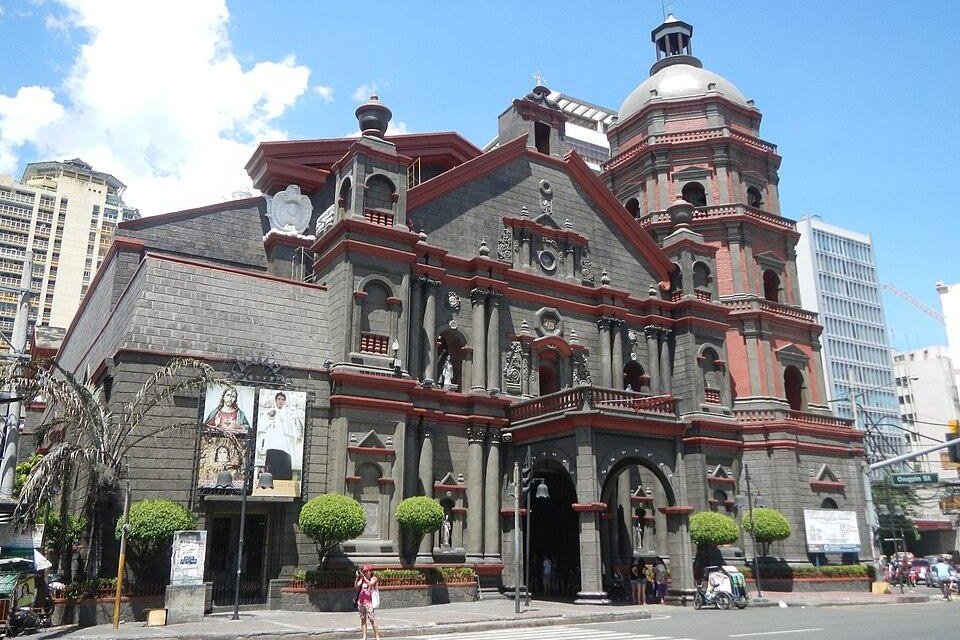
At Plaza San Lorenzo Ruiz stands Binondo Church, officially the Minor Basilica and National Shrine of Saint Lorenzo Ruiz.
The church was originally founded by Dominican priests in 1596 to serve Chinese Christian converts. Although the building has been rebuilt and restored through the centuries, the church remains one of the most important historic landmarks in Binondo.
Its location at the edge of Ongpin Street also makes it an easy landmark around which to organise your visit.
Discover the Chinese-Filipino Heritage
Binondo is more than a collection of restaurants and shops. Its streets reflect centuries of interaction between Chinese and Filipino communities.
That history can be seen in religious buildings, businesses, food traditions and family enterprises that have survived through generations.
It is this mixture that gives Binondo a character quite different from Intramuros, despite the two historic districts being relatively close to each other.
How Much Time Should You Allow?
Allow approximately three to four hours for a relaxed visit to Binondo.
That gives you enough time to walk around the main streets, bargain at local markets, visit Binondo Church, and try several foods along the way.
Food lovers can easily spend half a day exploring the neighbourhood.
When to Visit
Daytime is easiest for sightseeing and exploring the shops and restaurants.
Arriving before the main lunch period can give you time to walk around before restaurants become busier. Weekends and holidays can attract larger crowds.
Chinese New Year brings a particularly lively atmosphere to the district, with decorations and celebrations, but also considerably more visitors.
Getting to Binondo
Binondo lies just north of the Pasig River in central Manila.
Taxis and ride-hailing services provide a straightforward way to reach the area. Once there, walking is usually the best way to explore because many of the interesting restaurants, shops and landmarks are concentrated around Ongpin Street and the surrounding streets.
Comfortable shoes are a good idea.
What to See Nearby
- Intramuros
- Fort Santiago
- Manila Cathedral
- San Agustin Church
- Escolta
- Quiapo
Tips for Visiting Binondo
Come hungry. Trying several smaller dishes is one of the best ways to experience the neighbourhood.
Bring water and prepare for warm weather if you plan to spend several hours walking. Keep normal city awareness around your belongings, particularly in crowded streets.
Most importantly, give yourself time to explore. Binondo is more enjoyable when it is experienced as a neighbourhood rather than as a checklist of individual attractions.
Experience Binondo
Binondo offers something quite different from Manila’s museums, parks and modern shopping districts. Its combination of history, food, religion, commerce and everyday street life makes it one of the most memorable areas of the city to explore.
← Explore more Places to Visit in Manila
- Photo Credits
- Ongpin Street, Binondo: P1898, via Wikimedia Commons, licensed under CC BY 4.0. Cropped/resized by Manila.PH. Source: https://commons.wikimedia.org/wiki/File:Ongpin_Street_Oldest_Chinatown_Lunar_New_Year.jpg · Licence: https://creativecommons.org/licenses/by/4.0/
- Binondo Chinatown Food: Ramon FVelasquez, via Wikimedia Commons, licensed under CC BY-SA 3.0. Cropped/resized by Manila.PH. Source: https://commons.wikimedia.org/wiki/File:ChinatownManilajf0260_23.JPG · Licence: https://creativecommons.org/licenses/by-sa/3.0/
- Binondo Church: Ranieljosecastaneda, via Wikimedia Commons, licensed under CC BY-SA 4.0. Cropped/resized by Manila.PH. Source: https://commons.wikimedia.org/wiki/File:Minor_Basilica_and_Naational_Shrine_of_St._San_Lorenzo_Ruiz.jpg · Licence: https://creativecommons.org/licenses/by-sa/4.0/


