
Ninoy Aquino International Airport (NAIA) is the main international gateway to Metro Manila. Knowing what to expect when you arrive, how to reach your accommodation and how much time to allow can make the beginning of your Philippine visit considerably easier.
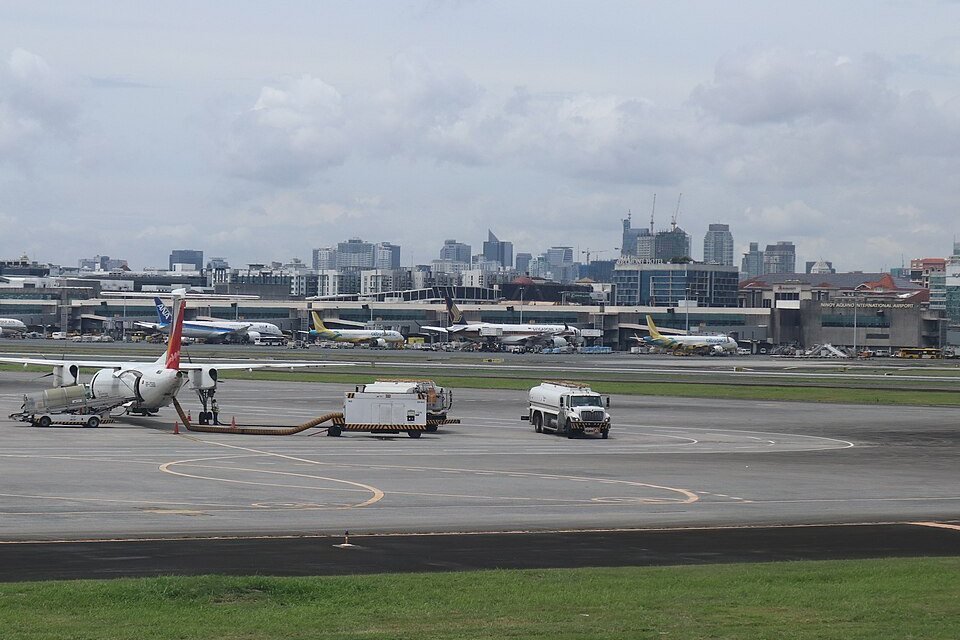
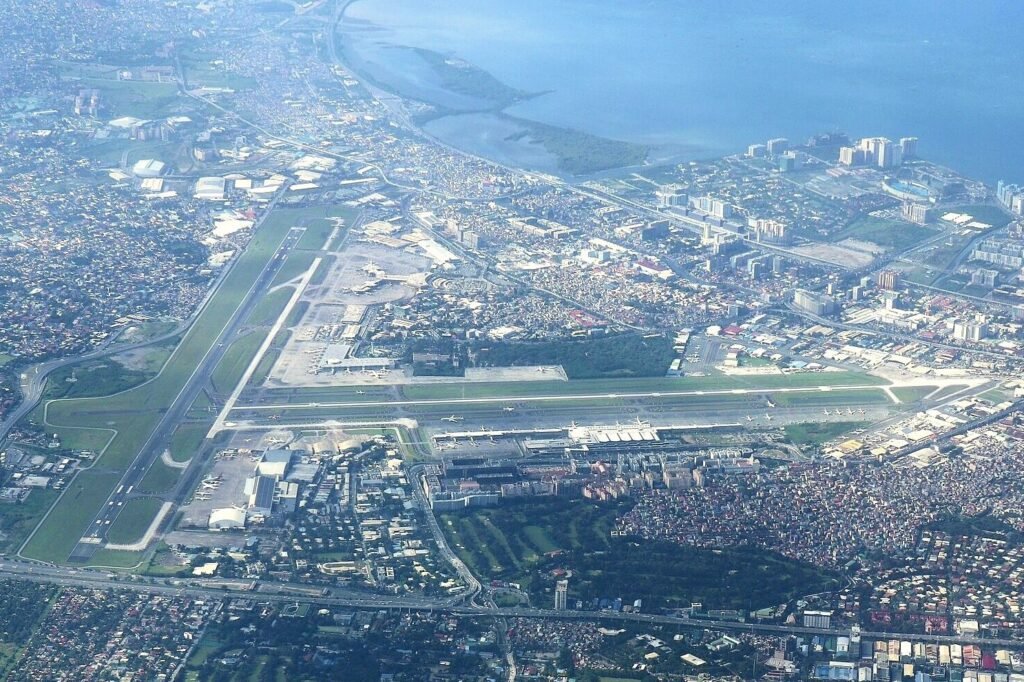
NAIA is located in the southern part of Metro Manila, close to Pasay and Parañaque. Although the airport is relatively close to several major business and hotel districts, travelling across the city can take time because of traffic.
Whether you are visiting Manila for a few days or continuing to another destination in the Philippines, a little preparation can make your arrival smoother.
Understanding Manila’s Airport Terminals
NAIA has four passenger terminals, and different airlines and flights use different facilities.
The terminals are separate buildings rather than sections of one large terminal. Travelling between them may require a shuttle or road transportation.
Always check the terminal listed on your airline’s current booking information before travelling. Terminal assignments can change, and older travel guides may contain outdated information.
If you are connecting to another flight, confirm whether you need to change terminals.
For current airline terminal information and airport services, check the official NAIA airline and terminal guide.
Before You Fly to Manila
Check your passport validity and the entry requirements that apply to your nationality.
Visitors from many countries can enter the Philippines without arranging a visa in advance for a limited stay, but conditions vary.
Depending on your circumstances, you may need proof of onward or return travel.
The Philippines also uses an electronic travel declaration system called eTravel. Check the official requirements before departure and complete any necessary registration within the permitted time window.
Use the official website: https://etravel.gov.ph/
Arriving at Immigration
After leaving the aircraft, international passengers normally proceed to immigration.
Have your passport and any required travel documents ready.
Immigration officers may ask about the purpose of your visit, how long you intend to stay and where you will be staying.
Keep your accommodation details and onward travel information accessible.
Processing times vary depending on the number of arriving flights and passengers.
Collecting Your Luggage
After immigration, follow the signs to baggage claim.
Check the information screens for your flight’s assigned baggage carousel.
If your luggage is missing or damaged, contact your airline’s baggage assistance desk before leaving the arrivals area.
Once you have collected your belongings, proceed through the applicable customs process.
Money and Payments at the Airport
The Philippine currency is the Philippine peso (PHP).
Currency exchange services and ATMs are available at NAIA, although availability differs between terminals.
Having some pesos available can be useful for smaller purchases, transportation and other immediate expenses.
For larger amounts, compare exchange rates and fees before deciding where to exchange money or withdraw cash.
For practical advice about exchanging money, using ATMs, paying by card and carrying cash during your stay, read our guide to money, payments and everyday travel tips.
Mobile Internet and SIM Cards
Having mobile internet when you arrive can make navigating Manila considerably easier.
It allows you to check maps, contact your accommodation and arrange transportation.
Local mobile services are available through Philippine providers, and eligible visitors may also use an international roaming plan or travel eSIM.
Check that your phone supports your chosen option before departure.
Getting from NAIA to Your Hotel
For many first-time visitors, travelling directly from the airport to their accommodation by car is the simplest choice.
The most suitable option depends on your arrival terminal, destination, luggage and budget.
Airport Taxis
Airport taxi services operate at NAIA.
Follow the official signs to the designated taxi areas and check the fare arrangement before starting your journey.
Use authorised airport transportation services and keep the details of your journey when provided.
Ride-Hailing Services
Ride-hailing apps, including Grab, are widely used in Metro Manila.
They can be convenient because you enter your destination in advance and receive fare information through the app.
Pickup locations and arrangements can vary by terminal, so follow the instructions shown in the app.
Hotel Transfers
Some hotels offer airport transfers, either included in the booking or for an additional fee.
This can be especially convenient for late-night arrivals, families and travellers carrying substantial luggage.
Confirm the pickup arrangements with your accommodation before travelling.
Public Transportation
Public buses and other transportation connections serve the airport area.
These can be less expensive than private transfers, but may involve additional walking, transfers or local route knowledge.
For visitors with heavy luggage, a direct transfer may be more comfortable.
Our guide to getting around Manila explains the city’s main transportation options, including trains, buses, jeepneys, taxis and ride-hailing services.
How Long Does It Take to Reach Central Manila?
Travel times depend on your terminal, destination, time of day and traffic conditions.
Pasay and parts of Makati are relatively close to the airport, while destinations such as Intramuros, Binondo and Quezon City are farther away.
Even a journey that looks short on a map can take considerably longer during busy periods.
Allow additional time rather than planning a tightly scheduled activity immediately after landing.
Arriving Late at Night
Late-night arrivals are common at NAIA.
Before departure, confirm that your accommodation accepts check-ins at your expected arrival time.
Keep your hotel’s address and contact details available, and consider arranging transportation before your flight.
A direct journey to your hotel is often the most comfortable way to begin your stay after a long international flight.
Connecting to Another Flight
If Manila is a stop on your way to another Philippine destination, check your connecting flight details carefully.
Some connections require passengers to collect luggage, complete immigration or customs procedures, change terminals or check in again.
The process depends on your airline, ticket arrangement and whether your flights are domestic or international.
Allow sufficient time for these procedures and possible traffic between terminals.
When booking separate tickets, consider the additional risk of delays affecting your onward journey.
Departing from Manila Airport
When leaving the Philippines, check your departure terminal directly with your airline.
Allow plenty of time to reach the airport, particularly during busy traffic periods.
International flights generally require arriving earlier than domestic flights. Follow your airline’s recommended check-in time and allow additional time for security and other departure procedures.
Keep your passport, boarding information and required travel documents readily accessible.
Make Your Arrival in Manila Easier
A few simple preparations can make a substantial difference:
- Confirm your terminal and entry requirements before departure.
- Keep your hotel address and booking confirmation accessible.
- Arrange a suitable mobile internet connection.
- Choose your airport transportation in advance when practical.
- Allow extra time for traffic and airport procedures.
Once you have reached your accommodation, you can begin exploring everything Metro Manila has to offer.
- Photo Credits
- NAIA Terminal 3 runway view: Patrick Roque, via Wikimedia Commons, licensed under CC BY-SA 4.0. Cropped/resized by Manila.PH. Source: https://commons.wikimedia.org/wiki/File:NAIA_Terminal_3_runway_view_(Pasay;_08-24-2023).jpg · Licence: https://creativecommons.org/licenses/by-sa/4.0/
- NAIA complex aerial view: Patrick Roque, via Wikimedia Commons, licensed under CC BY-SA 4.0. Cropped/resized by Manila.PH. Source: https://commons.wikimedia.org/wiki/File:NAIA_Complex_from_air_(Pasay;_01-09-2023).jpg · Licence: https://creativecommons.org/licenses/by-sa/4.0/
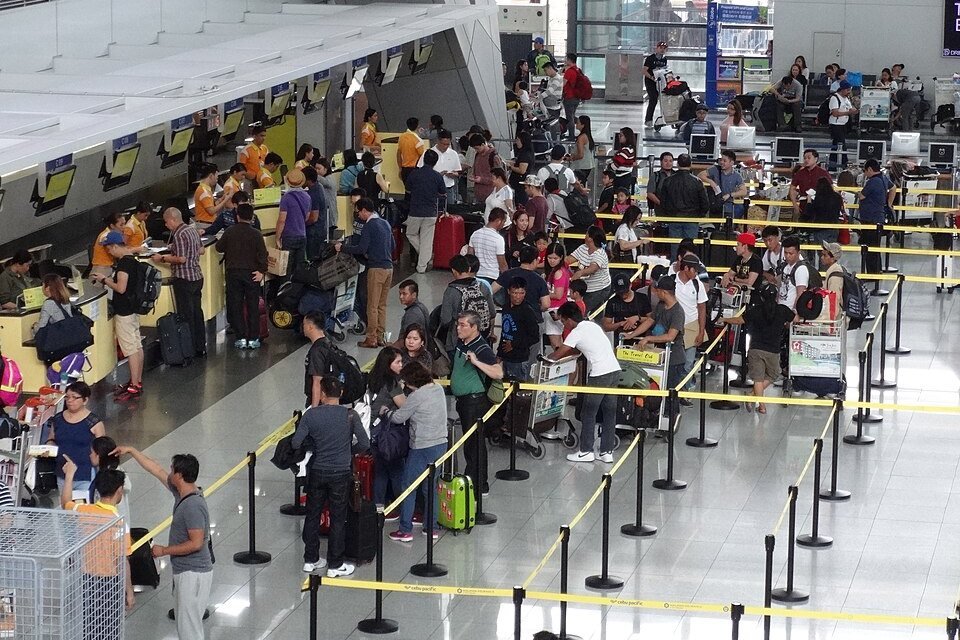
- NAIA Terminal 3 ticketing hall: Patrick Roque, via Wikimedia Commons, licensed under CC BY-SA 4.0. Cropped/resized by Manila.PH. Source: https://commons.wikimedia.org/wiki/File:Ninoy_Aquino_International_Airport_(NAIA)_Terminal_3_-_ticketing_hall_(Pasay;_2017-01-01)_3.jpg · Licence: https://creativecommons.org/licenses/by-sa/4.0/
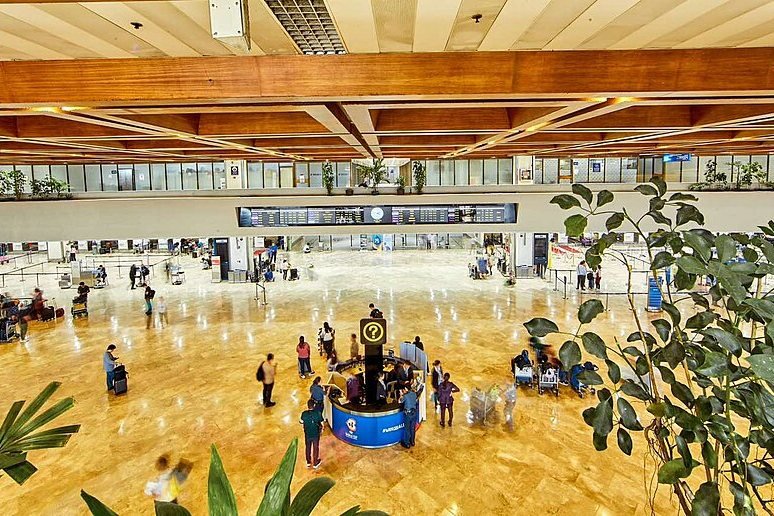
- NAIA Terminal 1 departure hall: Manila International Airport Authority (MIAA), via Wikimedia Commons. Public domain in the Philippines. Cropped/resized by Manila.PH. Source: https://commons.wikimedia.org/wiki/File:Departure_hall_at_Manila%27s_Ninoy_Aquino_International_Airport_Terminal_1_in_2023.jpg