
Explore one of Manila’s most important historic sites, a centuries-old fortress that guarded the entrance to the Pasig River and later became closely connected with the final days of José Rizal.
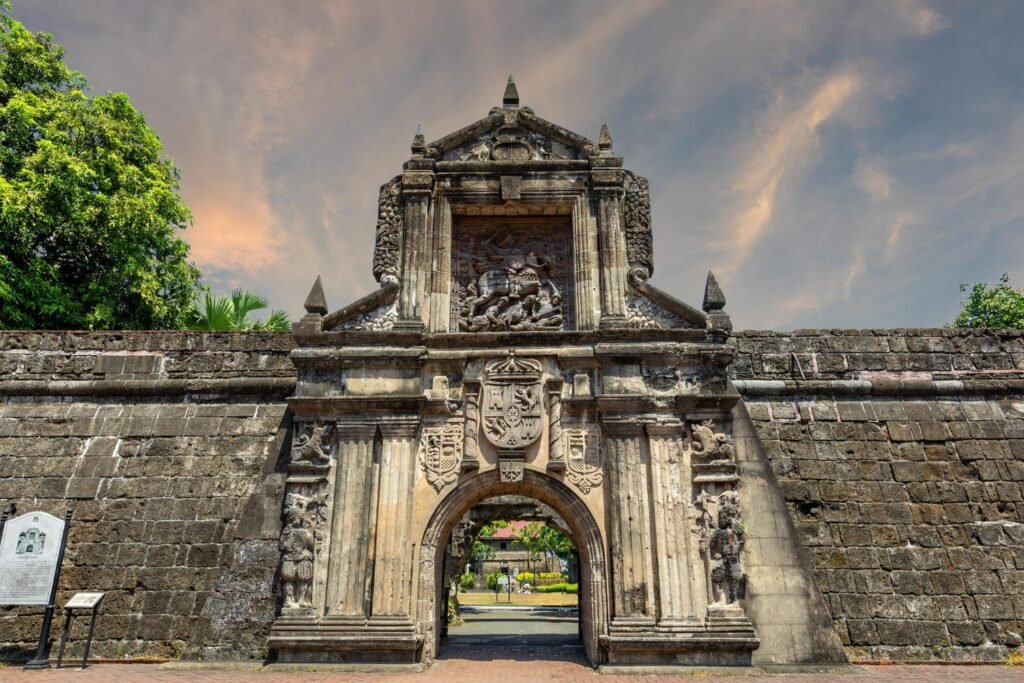
Fort Santiago stands at the northern end of Intramuros and is one of the most significant surviving landmarks from Manila’s Spanish colonial period.
The fortress has served many purposes during its long history. It was a defensive stronghold, military headquarters and prison, and its walls witnessed some of the darkest events in Manila’s past.
Today, its gardens, plazas, ruins and historic buildings make it one of the best places to explore Philippine history while walking through Intramuros.
Enter Through the Historic Gate
The ornate stone gate is one of Fort Santiago’s most recognisable features.
Beyond it, the atmosphere becomes surprisingly peaceful. Visitors can explore open lawns, old stone walls, plazas and remnants of the fortifications while imagining how different the fortress would have appeared when it formed part of Manila’s defensive system.
Take time to walk rather than heading directly for the major exhibits. Much of the appeal of Fort Santiago comes from exploring the site itself.
José Rizal and Fort Santiago
Fort Santiago is particularly important in the story of José Rizal, the Philippine national hero.
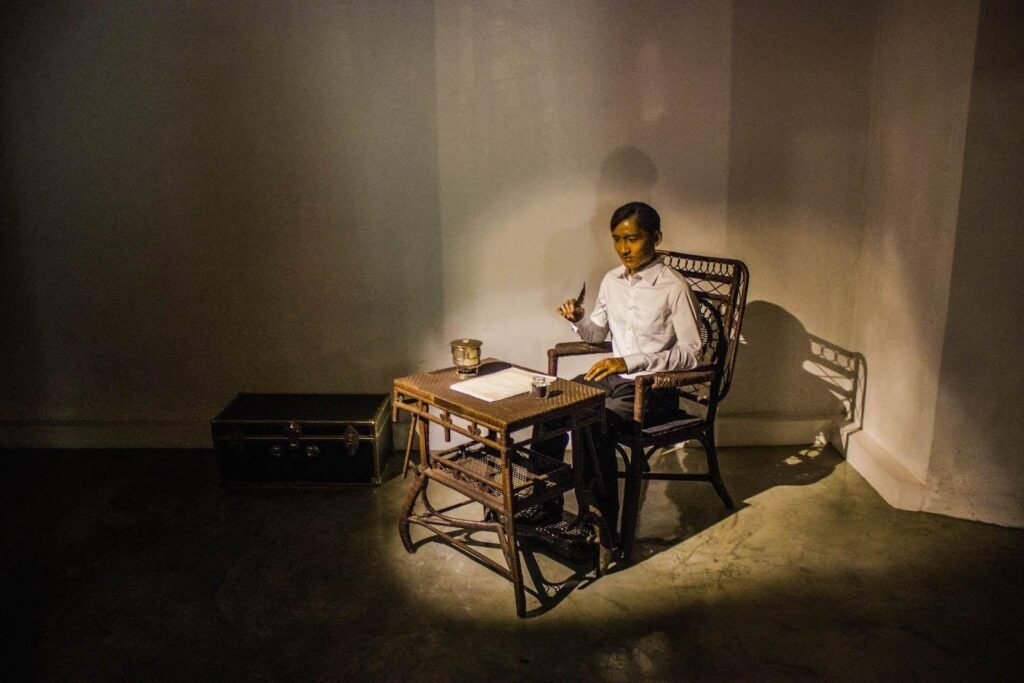
Rizal was imprisoned here in 1896 before his execution at Bagumbayan, now Rizal Park. His imprisonment and final journey have made the fort one of the principal historical sites associated with his life.
The Rizal Shrine inside Fort Santiago contains exhibits and memorabilia connected with Rizal and his role in Philippine history.
Follow Rizal’s Final Footsteps
One of the fort’s most moving features is a trail of bronze footsteps marking the route associated with Rizal’s final journey from Fort Santiago toward the place of his execution.
They provide a simple but powerful physical connection between Fort Santiago and Rizal Park.
Visitors who see both places during their stay in Manila can therefore follow two closely connected chapters of the same story.
Explore the Dungeons
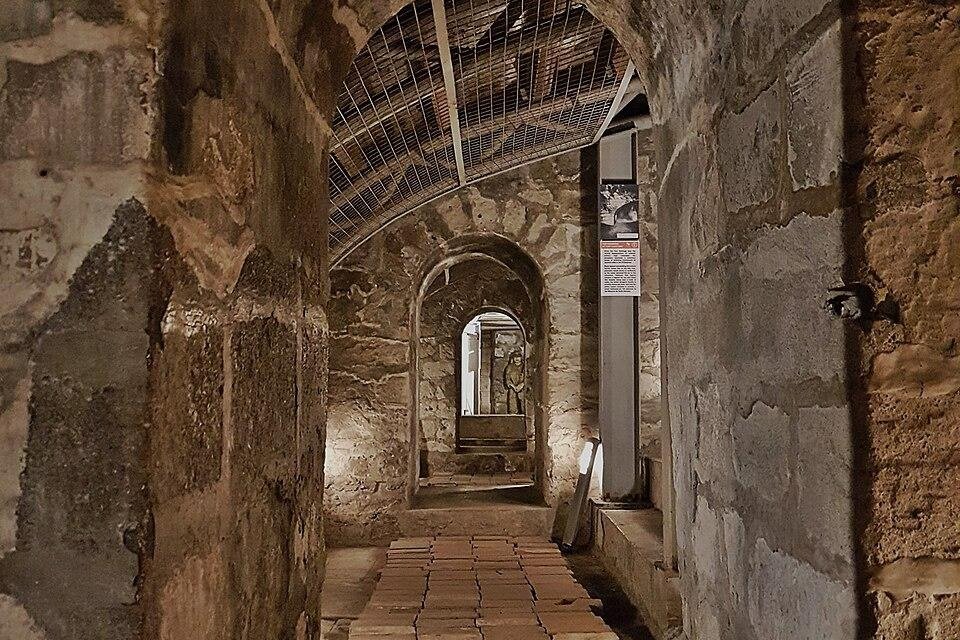
Fort Santiago also contains dungeons and underground chambers associated with some of the darker periods in the fort’s history.
Prisoners were held within the fortress under different colonial and wartime administrations. During the Second World War, Fort Santiago became a place of imprisonment and death during the Japanese occupation of Manila.
Walking through the surviving stone passages gives a very different impression from the gardens and open spaces above.
Walk Along the Walls
Parts of Fort Santiago overlook the Pasig River, whose location explains the fortress’s strategic importance.
From here, Spanish forces could help control access along the river and toward the colonial city.
The walls and elevated areas also provide interesting views across parts of the fort and surrounding Manila.
How Much Time Should You Allow?
Allow approximately two to three hours for Fort Santiago.
That gives you enough time to explore the grounds, visit the Rizal Shrine, see the historic structures and walk through the major parts of the fortress without rushing.
History enthusiasts may want longer.
Visiting Fort Santiago
Fort Santiago is an outdoor historic attraction with some indoor exhibits.
Comfortable walking shoes are useful, and Manila’s heat makes water and sun protection worthwhile during the middle of the day.
Opening hours and admission arrangements can change, so check current visitor information when planning your visit.
Getting to Fort Santiago
Fort Santiago is located at the northern end of Intramuros, close to the Pasig River.
Once you are inside Intramuros, it is possible to walk between Fort Santiago and many of the district’s other major attractions.
What to See Nearby
- Manila Cathedral
- Plaza Roma
- San Agustin Church
- Casa Manila
- Binondo
- Rizal Park
Tips for Visiting Fort Santiago
Arrive earlier in the day if you want cooler conditions and more time to explore.
Combine Fort Santiago with Manila Cathedral and San Agustin Church for an excellent introduction to Intramuros.
Allow some time simply to wander around the grounds. Fort Santiago is more rewarding when you experience the fortress as a whole rather than visiting only the Rizal-related exhibits.
Experience Fort Santiago
Fort Santiago brings together several important periods of Philippine history within a single site. Its Spanish fortifications, connection with José Rizal and wartime history make it one of the essential places to visit in Manila.
← Explore more Places to Visit in Manila
- Photo Credits
- Fort Santiago main gate: Elmer B. Domingo (Aerous), via Wikimedia Commons, licensed under CC BY-SA 4.0. Cropped/resized by Manila.PH. Source: https://commons.wikimedia.org/wiki/File:Fort_Santiago_gate.jpg · Licence: https://creativecommons.org/licenses/by-sa/4.0/
- José Rizal Shrine at Fort Santiago: Lyuk98, via Wikimedia Commons, licensed under CC BY-SA 4.0. Cropped/resized by Manila.PH. Source: https://commons.wikimedia.org/wiki/File:Jose_Rizal_Shrine_at_Fort_Santiago.jpg · Licence: https://creativecommons.org/licenses/by-sa/4.0/
- Fort Santiago dungeon: Bobbet21, via Wikimedia Commons, licensed under CC BY-SA 4.0. Cropped/resized by Manila.PH. Source: https://commons.wikimedia.org/wiki/File:Dungeon_of_Fort_Santiago.jpg · Licence: https://creativecommons.org/licenses/by-sa/4.0/


