
Useful information for getting around, staying connected, handling money, and making everyday life easier while visiting Manila and Metro Manila.
Arriving at Manila Airport
Flying into Manila? Our Manila Airport Guide explains NAIA’s terminals, immigration, airport transportation and useful arrival tips to help you start your visit smoothly.
Manila is a huge and busy metropolitan area. A little preparation can make exploring it considerably easier, whether you are visiting for a few days or staying much longer.
Staying Safe in Manila
Wondering whether Manila is safe to visit? Our guide Is Manila Safe for Tourists? covers personal safety, transportation, crowded markets, nightlife and practical precautions to help you explore the city confidently.
Getting Around Manila
Metro Manila offers several ways to travel, including trains, jeepneys, buses, taxis and ride-hailing services. Our guide to getting around Manila explains the main options and helps visitors choose the most convenient transportation for their trip.
Travel times can vary considerably depending on traffic and the time of day, so allow extra time when you need to be somewhere at a particular hour.
Money, Payments and Everyday Travel Tips
Wondering how to pay for things in Manila? Our guide to money, payments and everyday travel tips covers Philippine pesos, ATMs, credit cards, digital wallets, tipping and other useful information for visitors.
When to Visit Manila
Planning your trip? Our guide to the best time to visit Manila explains the dry and rainy seasons, monthly weather patterns and what to expect when sightseeing throughout the year.
MRT & LRT
Manila’s MRT and LRT train lines can be useful for avoiding road traffic and travelling between many important parts of the metropolitan area.
Trains can become crowded, particularly during peak periods, but they are often one of the quickest ways to cover longer distances through busy areas.
Jeepneys
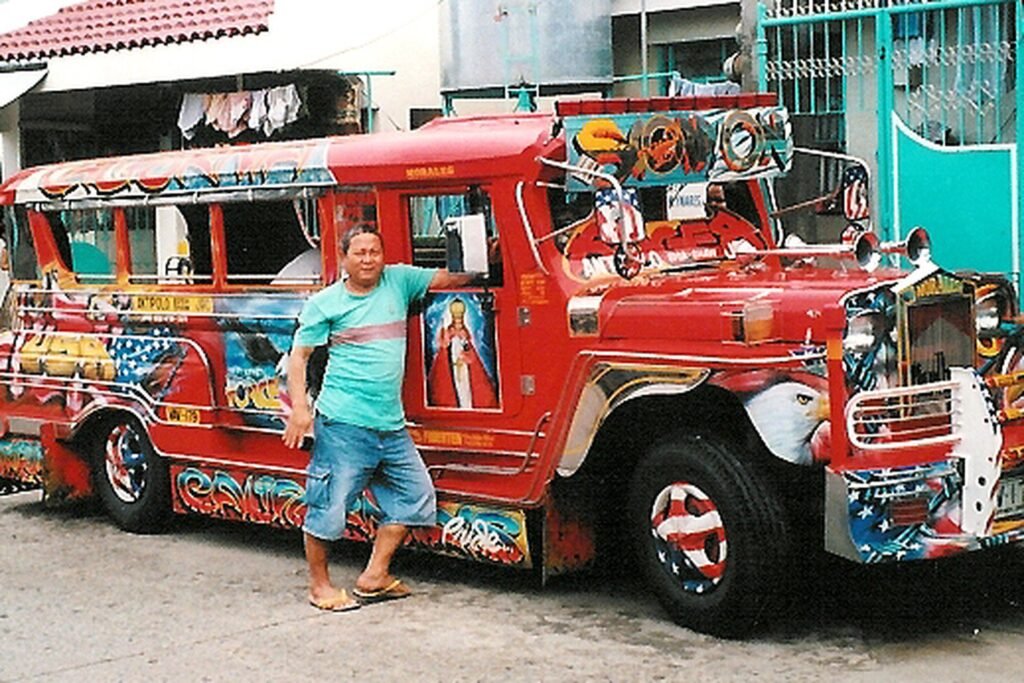
Jeepneys are one of the Philippines’ most recognizable forms of public transportation and remain part of everyday life across Metro Manila.
Routes and payment can initially be less obvious to first-time visitors than using trains or taxis. If you are unsure, asking the driver or another passenger is often the simplest way to confirm where a jeepney is going.
Taxis & Ride-Hailing
Taxis and app-based ride-hailing services provide convenient door-to-door transportation throughout much of Metro Manila.
Travel time and fares can increase considerably during busy periods, so factor Manila traffic into your plans.
Money & Payments
The local currency is the Philippine peso (PHP).
Cash remains useful, particularly for small purchases and some forms of transportation, while cards and digital payments are widely accepted in malls, hotels, larger restaurants, supermarkets, and many other businesses.
ATMs are readily available throughout major commercial areas.
Internet & Mobile Connections
Mobile data is widely used throughout the Philippines. Visitors who need regular internet access can consider a local SIM or eSIM, depending on their phone and length of stay.
Wi-Fi is also commonly available in hotels, cafés, malls, and many restaurants.
Weather
Manila has a tropical climate and is warm throughout the year.
Light clothing is practical for most days, while an umbrella can be useful for both strong sunshine and sudden rain. During the wetter part of the year, heavy rainfall can occasionally affect transportation and travel times.
Staying Safe
As in any large metropolitan area, stay aware of your surroundings and keep an eye on personal belongings, particularly in crowded places and on public transportation.
Use established transportation services, take normal precautions when carrying valuables, and ask hotel staff or trusted local contacts for current advice when exploring unfamiliar areas.
Airports
Metro Manila is primarily served by Ninoy Aquino International Airport (NAIA), which has several terminals.
Check your terminal before travelling to the airport and allow plenty of time for the journey, particularly during busy traffic periods.
Plan Around Manila Traffic
Distances on a map can be deceptive in Metro Manila. A destination that appears relatively close may take considerably longer to reach when roads are busy.
When planning a day of sightseeing, grouping places by area can save substantial travelling time and give you more time to enjoy the city.
Enjoy Manila at Your Own Pace
Manila becomes easier to understand once you stop trying to experience everything at once.
Choose an area, give yourself time to explore it, and leave room for the unexpected. A little flexibility can make discovering Metro Manila considerably more enjoyable.