
A little preparation can make everyday life in Manila much easier for visitors. Knowing how to pay for purchases, where to get Philippine pesos, how to stay connected and what to expect in shops, restaurants and public places will help you explore Metro Manila with greater confidence.
Understanding Philippine Currency
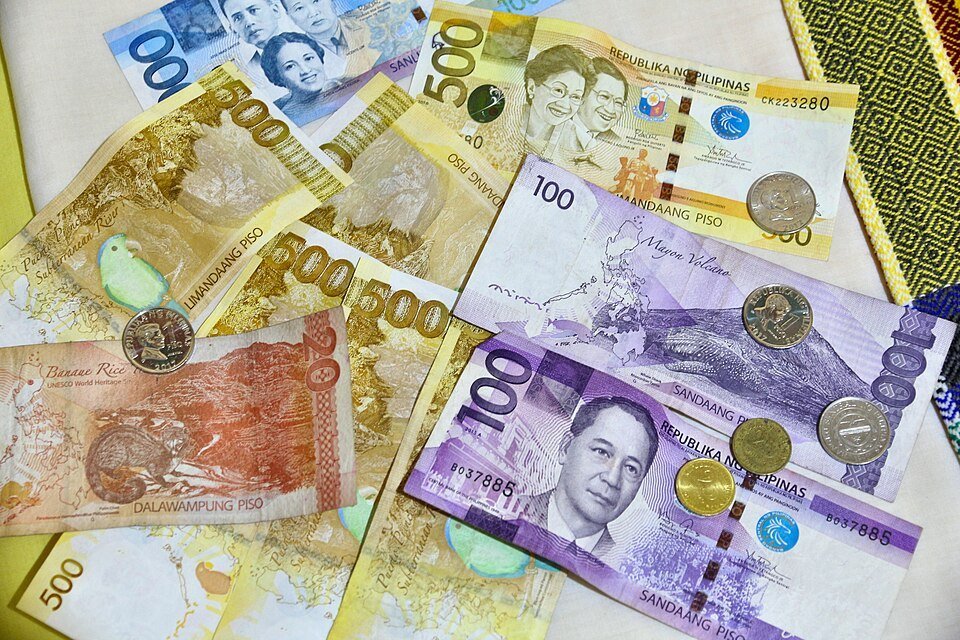
The official currency of the Philippines is the Philippine peso (PHP), represented by the symbol ₱.
Banknotes commonly used include ₱20, ₱50, ₱100, ₱200, ₱500 and ₱1,000, although ₱20 notes are gradually being replaced by coins. Coins are useful for smaller purchases, public transportation and inexpensive snacks.
For everyday convenience, carry a mixture of smaller banknotes and coins. A ₱1,000 note can be difficult to change at a small stall or neighbourhood shop.
Should You Bring Cash to Manila?
Cash remains important throughout Metro Manila, particularly for small purchases, local markets, street food and some forms of public transportation.
Major hotels, shopping malls, supermarkets and established restaurants generally accept credit or debit cards.
A practical approach is to use cards for larger expenses while keeping enough pesos available for smaller purchases.
Our guide to getting around Manila explains which transportation options are convenient for visitors.
Where to Exchange Money
Visitors can exchange foreign currency at banks, licensed money changers and some airport exchange counters.
Airport exchange services can be convenient when you first arrive, especially if you need money for transportation or immediate expenses.
Exchange rates and fees vary, so compare the amount of pesos you will actually receive before completing a transaction.
Established money changers in shopping centres and commercial districts are often convenient options.
Count your money carefully before leaving the counter and keep your receipt.
Using ATMs in Manila
ATMs are widely available in shopping malls, banks, commercial centres and other busy areas.
Many accept international debit and credit cards, although acceptance depends on your card network and issuing bank.
Your home bank and the Philippine ATM operator may charge withdrawal fees.
When an ATM offers to convert the withdrawal into your home currency, paying in Philippine pesos will often give you a better exchange rate, depending on your bank’s terms.
For convenience and security, choose ATMs inside banks, shopping malls or other established premises.
Paying by Credit or Debit Card
Visa and Mastercard are widely accepted at larger businesses in Metro Manila.
Hotels, supermarkets, department stores, shopping malls and many restaurants offer card payments.
Smaller establishments may accept cash only, and occasional payment terminal or network problems can occur.
It is useful to have a second payment method available.
When a card terminal offers payment in your home currency or Philippine pesos, choosing pesos will generally avoid the merchant’s currency conversion markup.
GCash, Maya and Digital Payments
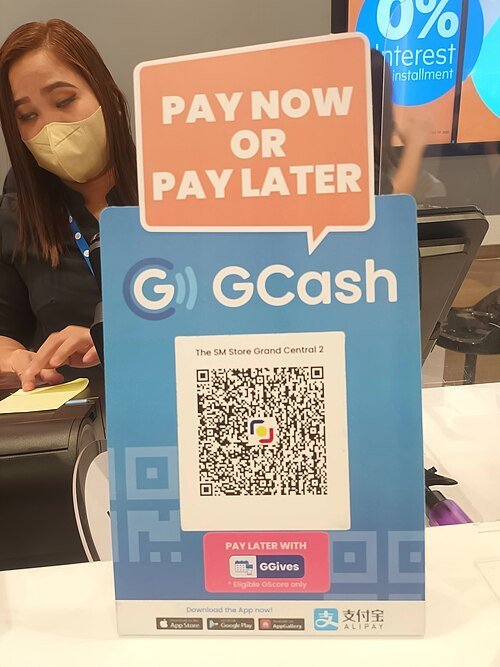
Digital wallets are popular in the Philippines.
Two familiar services are GCash and Maya.
You will see QR payment signs in many shops, cafés, restaurants and other businesses.
However, eligibility and account verification requirements can make these services less practical for short-term foreign visitors.
Most tourists can manage comfortably with a combination of cash and international payment cards.
How Much Cash Should You Carry?
The amount depends on your plans.
If your hotel, major transportation and larger purchases are paid by card, a few hundred to a couple of thousand pesos may be sufficient for everyday smaller expenses.
Consider what you expect to spend on food, transport, entrance fees and shopping before deciding how much to carry.
Keep your main money and cards secure, and carry a smaller amount where it is easy to reach.
For additional precautions, see Is Manila Safe for Tourists?.
Tipping in Manila
Tipping is appreciated in many situations, although it is generally less formal than in some other countries.
Restaurants sometimes add a service charge to the bill. Check the receipt before deciding whether to leave anything extra.
For good service, visitors may choose to leave a modest additional amount.
Small tips are also appreciated by hotel staff, porters and others who provide personal assistance.
Tipping is a personal choice, and practices vary between establishments.
Shopping and Bargaining
Prices in supermarkets, shopping malls, department stores and established retail shops are generally fixed.
Bargaining is more common at certain markets and stalls, especially when buying clothing, souvenirs or several items together.
A friendly, respectful approach works best.
For a more detailed introduction, read our guide to Markets & Bargain Shopping in Manila.
Mobile Internet and SIM Cards
Reliable mobile internet is useful for maps, transportation apps, messaging and checking opening hours.
The Philippines has several mobile network providers, including Smart and Globe.
Visitors can purchase prepaid SIM cards or, with a compatible phone and provider, arrange an eSIM.
Philippine SIM registration requirements apply, and visitors may need to provide identification and other details.
Check your phone’s compatibility and whether it is unlocked before travelling.
Some hotels, cafés and shopping malls also provide Wi-Fi, although connection quality varies.
Electrical Plugs and Charging
The Philippines generally uses a 220-volt, 60 Hz electrical supply.
Type A, B and C plugs are commonly encountered, but sockets vary between buildings.
Visitors from Europe and other regions may need a plug adapter.
Most modern phone and laptop chargers support 100–240 volts. Check the label on your charger before connecting it.
A portable power bank can be useful during long sightseeing days.
Drinking Water
Bottled and properly filtered drinking water is widely available in Manila.
Hotels, restaurants, supermarkets and convenience stores commonly sell bottled water, while some establishments provide filtered drinking water.
Visitors should check whether tap water is suitable for drinking at their accommodation.
Staying hydrated is particularly important during Manila’s hotter months.
Our guide to the best time to visit Manila explains the city’s seasonal weather and temperatures.
Convenience Stores and Everyday Essentials
Convenience stores are common throughout Metro Manila.
Chains such as 7-Eleven and Uncle John’s sell drinks, snacks, basic toiletries and other everyday items.
Supermarkets and pharmacies are also widely available, particularly in shopping malls and commercial areas.
Many convenience stores operate extended hours, and some are open around the clock.
These shops can be particularly useful when arriving late or needing something quickly.
Public Toilets and Facilities
Public toilets are commonly available in shopping malls, museums, transport terminals and major attractions.
Facilities vary in cleanliness and equipment.
Carrying tissues and a small bottle of hand sanitiser is useful, particularly when visiting markets or older public facilities.
Some establishments reserve their toilets for customers.
English and Everyday Communication
English is widely spoken and understood in Metro Manila, especially in hotels, shopping centres, restaurants and tourist-oriented businesses.
Filipino is the national language, with Tagalog widely used throughout the capital region.
Learning a few simple expressions can make everyday interactions more enjoyable.
- Salamat — Thank you
- Magandang umaga — Good morning
- Magkano? — How much?
- Saan? — Where?
- Opo — A polite way to say yes
A friendly attitude and respectful communication are appreciated.
Plan for Manila’s Traffic
Metro Manila is a large metropolitan area, and road traffic can affect almost any journey.
A destination that appears close on a map may take considerably longer to reach than expected.
Allow extra time for airport transfers, scheduled tours, appointments and other activities.
When possible, combine attractions located in the same area to reduce unnecessary travelling.
Small Preparations Make a Big Difference
Visiting Manila becomes easier once you understand a few everyday practicalities.
Carry some Philippine pesos, keep a reliable payment method available, arrange mobile internet and allow sufficient time for transportation.
With these basics taken care of, you can spend more time enjoying Manila’s food, culture, attractions and neighbourhoods.
- Photo Credits
- Philippine peso banknotes and coins: Marek Ślusarczyk (Tupungato), via Wikimedia Commons, licensed under CC BY 3.0. Resized by Manila.PH. Source: https://commons.wikimedia.org/wiki/File:08_Philippine_peso_PHP_currency_-_banknotes_and_coins_of_Philippine_money.jpg · Licence: https://creativecommons.org/licenses/by/3.0/
- GCash QR payment: Reyrefran, via Wikimedia Commons, licensed under CC BY-SA 4.0. Resized by Manila.PH. Source: https://commons.wikimedia.org/wiki/File:GCash_QR.jpg · Licence: https://creativecommons.org/licenses/by-sa/4.0/
- Quinta Market: Charrie Anne Nacor, via Wikimedia Commons, licensed under CC BY-SA 4.0. Resized by Manila.PH. Source: https://commons.wikimedia.org/wiki/File:Quinta_Market.jpg · Licence: https://creativecommons.org/licenses/by-sa/4.0/


