
Manila is a busy, energetic city that welcomes visitors from around the world. Like any large metropolitan area, it has places where travellers should be especially attentive, but most visitors can explore Metro Manila comfortably by taking sensible precautions. Understanding local conditions, choosing reliable transportation and being aware of your surroundings can help you enjoy your stay with greater confidence.
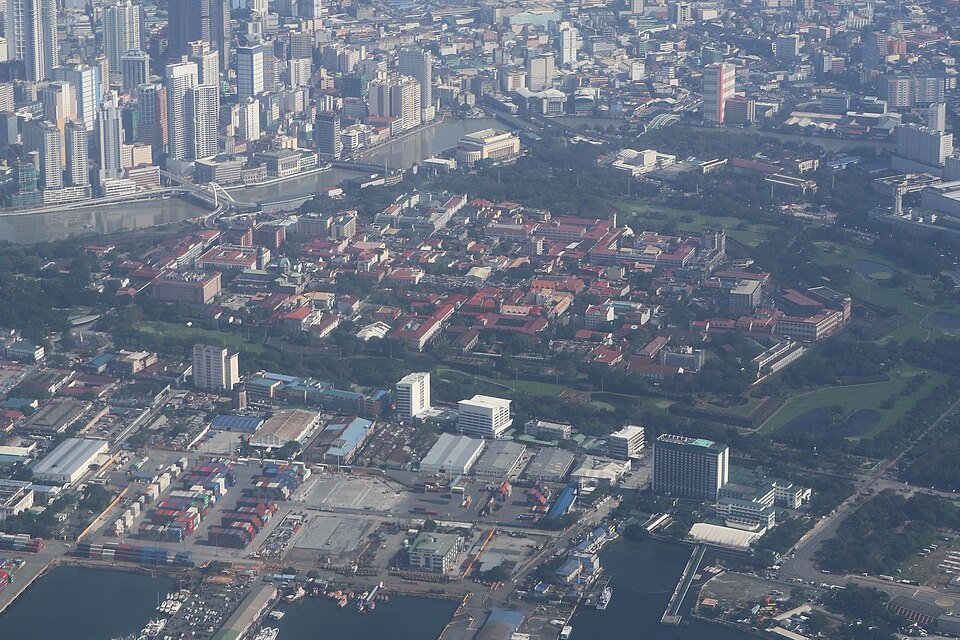
Is Manila Generally Safe for Visitors?
Metro Manila is home to millions of people and includes everything from modern business districts and shopping centres to historic neighbourhoods, residential communities and crowded markets.
Safety conditions vary between locations and even between streets within the same neighbourhood.
Popular visitor areas such as Makati, Bonifacio Global City (BGC), Intramuros and major shopping districts attract both local residents and international travellers.
Most ordinary tourist activities can be enjoyed with reasonable precautions. As in other major cities, petty theft, traffic hazards and occasional scams are among the practical concerns visitors should consider.
It is also worth checking your government’s latest travel advice before departure, particularly if you plan to explore other parts of the Philippines.
Keep Your Valuables Secure
Crowded streets, public transportation, markets and busy shopping areas are places where pickpocketing and bag theft can occur.
Carry only the cash and valuables you need for the day.
A crossbody bag or secure backpack can be useful when exploring the city. Keep your phone, wallet and important belongings close to you, especially in crowded places.
Store your passport and other important documents securely when possible, and keep a digital copy available in case you need it.
When using your phone for maps or photographs, remain aware of people and traffic around you.
Use Reliable Transportation
Choosing suitable transportation is one of the easiest ways to make travelling around Manila more comfortable.
Ride-hailing services such as Grab are popular because passengers can enter their destination in advance and see journey information through the app.
Taxis are another option, particularly when arranged through hotels or official airport services.
Before entering a vehicle, check that it matches the booking or service you have selected.
Public transportation, including MRT and LRT trains, buses and jeepneys, is widely used by local residents. Visitors can use these services too, although crowded vehicles and unfamiliar routes require additional attention.
For more information, read our guide to getting around Manila.
Be Careful When Walking
Walking can be an enjoyable way to explore places such as Intramuros, Rizal Park and certain shopping or business districts.
However, pedestrian conditions vary considerably across Metro Manila.
Some streets have narrow or uneven pavements, limited pedestrian crossings or heavy traffic.
Use designated crossings and pedestrian bridges where available, and allow sufficient time to cross busy roads.
Motorcycles and other vehicles may approach from directions you are not expecting, particularly near intersections and smaller streets.
For longer journeys between attractions, transportation is often more practical than walking.
Visiting Manila at Night
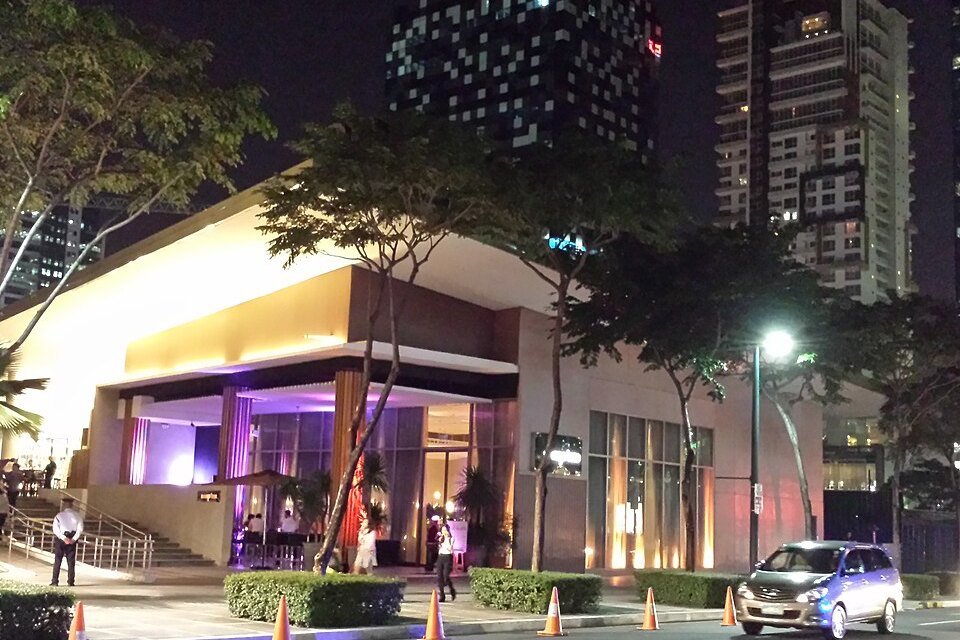
Manila has an active evening scene, with restaurants, shopping malls, entertainment venues and lively neighbourhoods.
Areas such as Makati and BGC offer numerous places to enjoy dinner or an evening out.
If you are unfamiliar with a neighbourhood, choose well-lit, active streets and arrange reliable transportation when returning to your accommodation.
Be especially attentive in quieter streets and unfamiliar areas late at night.
When visiting bars or nightlife venues, keep track of your belongings and drinks, and use the same precautions you would in any major city.
You can also explore our guide to experiencing Manila at night for ideas about evening activities.
Recognising Common Tourist Scams
Visitors occasionally encounter people offering unnecessary assistance, unusually expensive services or deals that sound too good to be true.
A few practical habits can help:
- Confirm prices before accepting a service.
- Use official ticket counters and recognised booking channels.
- Check transportation fares and payment arrangements in advance.
- Be cautious when strangers approach with unsolicited offers involving money.
- Verify tour operators and accommodation bookings before paying.
Friendly conversations are a normal part of Filipino hospitality. There is no reason to assume that someone offering help has bad intentions.
Simply use your judgement when money, personal information or unfamiliar arrangements are involved.
Staying Safe in Markets and Crowded Areas
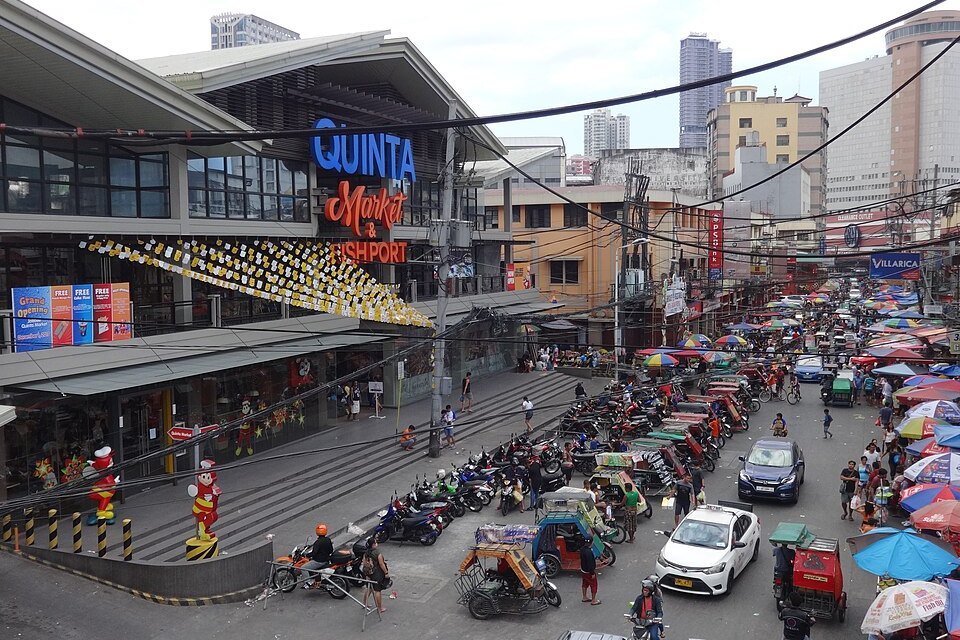
Markets such as Divisoria and Quiapo can be fascinating places to experience everyday Manila.
They can also become extremely crowded, particularly during weekends, holidays and busy shopping periods.
Keep your bag secure, carry manageable amounts of cash and remain aware of your surroundings.
If you are travelling with children or a group, agree on a meeting place in case anyone becomes separated.
For first-time visitors, exploring crowded markets during daylight hours may be more comfortable.
Our guide to markets and bargain shopping in Manila offers more information about these shopping areas.
Food and Drinking Water
Trying Filipino food is one of the pleasures of visiting Manila.
Restaurants, cafés, food courts and street food stalls offer everything from familiar international meals to local specialities.
Choose food establishments that appear clean and well maintained.
For street food, busy stalls preparing food freshly are often a sensible choice.
Drink water from a reliable source. Commercially sealed bottled water is widely available, and some hotels and restaurants provide properly treated drinking water.
If you have a sensitive stomach, introduce unfamiliar foods gradually.
Weather and Heavy Rain
Manila has a tropical climate, with hot weather throughout the year and periods of heavy rainfall.
During the rainy season, thunderstorms and tropical weather systems can cause flooding and transportation disruptions.
Some roads become difficult to travel during intense rain.
Check local weather forecasts, particularly when planning outdoor activities or airport journeys.
During severe weather, follow official announcements and instructions from your accommodation or local authorities.
Allow additional travel time when heavy rain is expected.
Health and Medical Assistance
Metro Manila has hospitals, clinics and pharmacies, particularly in major commercial and residential districts.
Travel insurance that includes medical treatment and emergency assistance is worth arranging before departure.
Bring sufficient supplies of any medication you regularly need, together with appropriate documentation.
In hot weather, drink enough water, take breaks in shaded or air-conditioned places and protect yourself from strong sunlight.
Mosquito protection is also useful, especially during wetter periods.
Emergency Numbers and Assistance
The Philippines uses 911 as its national emergency hotline.
If you need urgent police, fire or medical assistance, call 911.
Your hotel reception can also help you contact local services or identify nearby medical facilities.
Keep your accommodation’s address and contact number available, especially when exploring unfamiliar areas.
If you lose your passport or experience a serious incident, your embassy or consulate may be able to provide guidance.
Choosing Where to Stay
Your accommodation’s location can make a considerable difference to how comfortably you explore Manila.
Established hotel districts in Makati, BGC, Pasay and parts of Manila offer different advantages depending on your travel plans.
Choose an area that provides convenient access to the attractions, restaurants and activities you expect to visit.
Read recent accommodation reviews, paying attention to comments about the immediate surroundings, transportation and nighttime access.
Our guide to where to stay in Manila explains the main accommodation areas and helps visitors choose a suitable location.
Enjoy Manila with Confidence
Manila is a city of contrasts, combining historic attractions, modern districts, busy markets and welcoming communities.
Visitors who prepare for local conditions and use ordinary travel precautions can enjoy a wide variety of experiences.
Plan your journeys, keep your belongings secure, pay attention to traffic and remain informed about weather and local conditions.
With a little preparation and common sense, you can concentrate on discovering the food, culture, history and everyday life that make Metro Manila such an interesting destination.
- Photo Credits
- Intramuros aerial view: Patrick Roque, via Wikimedia Commons, licensed under CC BY-SA 4.0. Cropped/resized by Manila.PH. Source: https://commons.wikimedia.org/wiki/File:Intramuros_from_air_(Manila;_01-09-2023).jpg · Licence: https://creativecommons.org/licenses/by-sa/4.0/
- Bonifacio Global City at night: Hans Olav Lien, via Wikimedia Commons, licensed under CC BY-SA 3.0. Cropped/resized by Manila.PH. Source: https://commons.wikimedia.org/wiki/File:From_Bonifacio_High_Street,_Bonifacio_Global_City.jpg · Licence: https://creativecommons.org/licenses/by-sa/3.0/
- Quinta Market, Quiapo: Patrick Roque, via Wikimedia Commons, licensed under CC BY-SA 4.0. Cropped/resized by Manila.PH. Source: https://commons.wikimedia.org/wiki/File:Quiapo_-_Carlos_Palanca,_Quinta_Market_(Quiapo,_Manila)(2017-12-31).jpg · Licence: https://creativecommons.org/licenses/by-sa/4.0/
.jpg)

(2017-12-31).jpg)