
Manila is a year-round destination, but the weather can make a considerable difference to your visit. The city has a tropical climate, with warm temperatures throughout the year, a generally drier season and a wetter season that brings heavier rainfall. Understanding these patterns can help you choose when to travel and plan activities that suit the conditions.
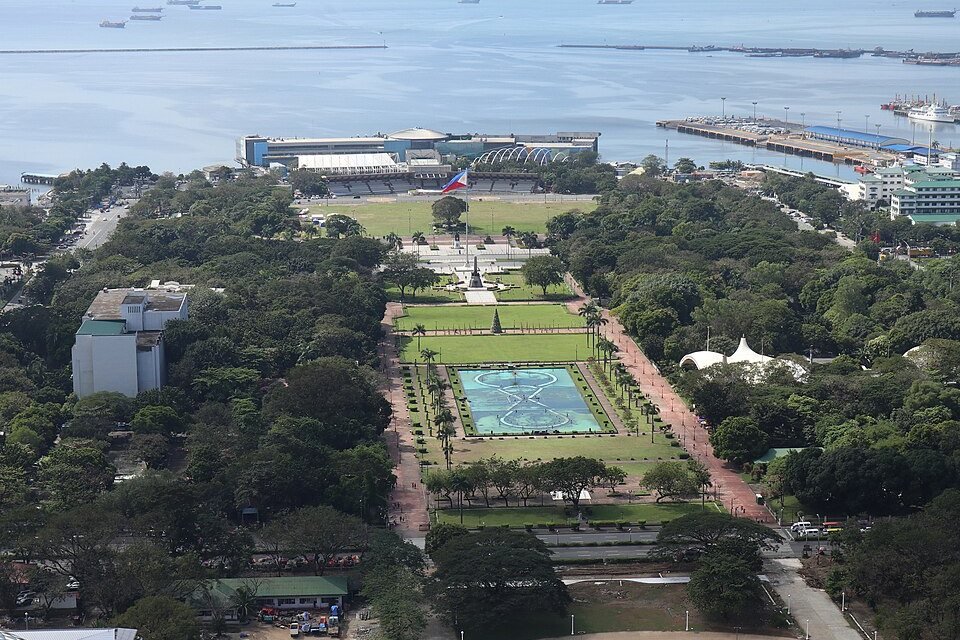
Understanding Manila’s Climate
Metro Manila has a tropical climate, so visitors can expect warm weather throughout the year.
Daytime temperatures commonly reach around 30°C or higher, while humidity can make conditions feel considerably hotter.
Unlike countries with four distinct seasons, the Philippines generally experiences wetter and drier periods.
For travellers, the main differences between months are the amount of rainfall, humidity, sunshine and the likelihood of severe weather.
The Dry Season: December to May
The period from December to May is generally considered Manila’s drier season.
It is often divided into two parts:
- December to February: Usually the cooler and more comfortable months.
- March to May: Generally hotter, with increasingly intense daytime heat.
Rain is still possible during the dry season, but extended periods of heavy rainfall are usually less frequent.
This makes the season attractive for visitors planning to explore historic districts, parks, markets and outdoor attractions.
December to February: Comfortable for Sightseeing
For many tourists, December, January and February offer some of the most pleasant conditions for exploring Manila.
Temperatures remain warm, but mornings and evenings can feel more comfortable than during the hottest months.
This is a good period for walking around Intramuros, visiting Rizal Park or enjoying the Manila Bay waterfront.
The Christmas and New Year period is especially busy in shopping districts, restaurants and public spaces.
Accommodation prices and availability may also be affected by holiday demand.
If you prefer comfortable sightseeing weather and can accommodate busier holiday periods, these months are an attractive choice.
March to May: Manila’s Hottest Months
March, April and May are generally the hottest part of the year.
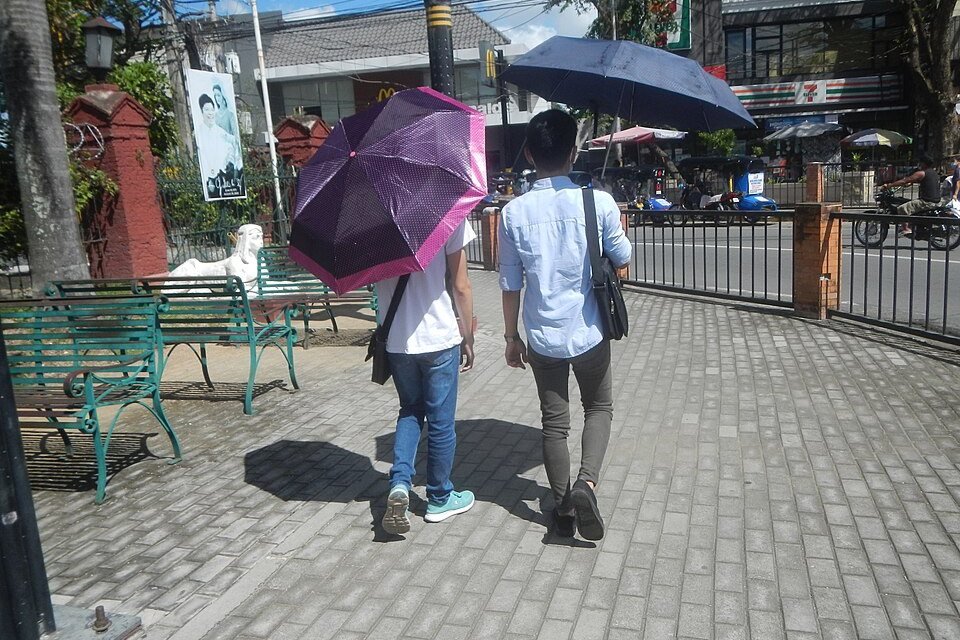
Afternoon temperatures can become uncomfortable, especially when combined with strong sunshine and high humidity.
Outdoor sightseeing is still possible, but timing becomes more important.
Consider visiting outdoor attractions early in the morning or later in the afternoon.
Museums, shopping malls, cafés and other air-conditioned venues provide welcome breaks during the hottest hours.
If you plan to explore Intramuros or walk around historic Manila, bring drinking water, wear lightweight clothing and allow time to rest.
April and May can be particularly demanding for visitors who are unaccustomed to tropical heat.
The Rainy Season: June to November
Manila’s wetter season generally runs from June to November.
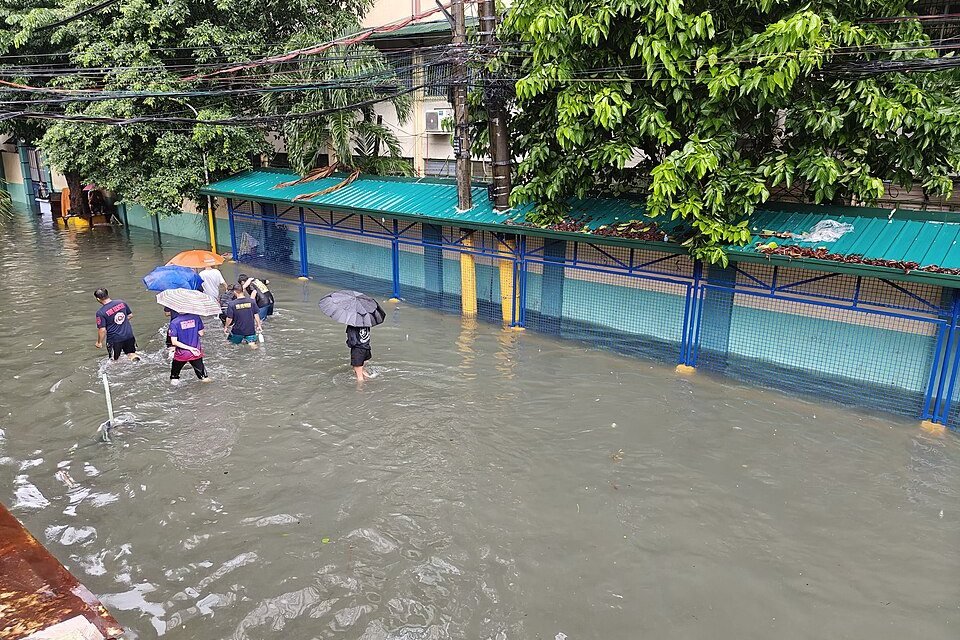
During these months, the southwest monsoon and tropical weather systems can bring heavy rain, thunderstorms and periods of flooding.
However, the rainy season does not mean that it rains continuously every day.
Some days include long periods of sunshine, while others experience intense afternoon showers or prolonged rainfall.
Weather conditions can change quickly, so flexibility is especially useful.
Visitors should check forecasts regularly and keep alternative indoor activities in mind.
July to September: Expect More Rain
July, August and September are typically among Manila’s wettest months.
Heavy rainfall can affect road conditions and increase travel times across Metro Manila.
Flooding may occur in vulnerable areas, particularly during prolonged rain or severe storms.
Airport journeys and other time-sensitive travel plans deserve additional preparation during these months.
If you visit during this period, consider staying near the attractions you most want to explore.
Our guide to getting around Manila explains the city’s transportation options and why travel times can vary considerably.
Rainy-season visits can still be enjoyable, particularly for travellers who appreciate museums, restaurants, shopping and other indoor activities.
October and November: A Transition Period
October and November often bring a gradual transition toward drier conditions.
Rainfall generally decreases as the year progresses, although tropical storms and heavy rain remain possible.
November can be an appealing month for visitors who want to explore Manila before the busiest year-end holiday period.
As always, actual weather conditions matter more than seasonal averages, especially when planning outdoor excursions.
What About Typhoons?
The Philippines is affected by tropical cyclones, commonly called typhoons when they reach sufficient intensity.
These storms can occur at different times of the year, although the risk is generally greater during the wetter months.
Not every tropical cyclone affects Manila directly.
However, even storms passing elsewhere can influence rainfall, flooding and transportation.
During severe weather, follow official announcements from the Philippine Atmospheric, Geophysical and Astronomical Services Administration (PAGASA).
You can check official weather forecasts and warnings at PAGASA.
If a storm is expected, follow advice from local authorities, airlines and your accommodation provider.
Best Months for Outdoor Attractions
If your priority is walking, sightseeing and exploring historic Manila, December to February is generally the most comfortable period.
Popular outdoor experiences include:
- Exploring Intramuros and Fort Santiago.
- Walking through Rizal Park.
- Visiting Manila Bay and the Baywalk.
- Discovering historic streets in Binondo.
- Exploring local markets and neighbourhoods.
March and April can also offer relatively dry conditions, although the heat may make longer walks less comfortable.
For a more enjoyable day, begin outdoor activities early and schedule indoor visits during the hottest hours.
Best Time for Shopping, Museums and Food
Some of Manila’s most enjoyable activities are available throughout the year.
The city has numerous shopping malls, museums, restaurants and food destinations that are suitable for almost any season.
During particularly hot or rainy weather, you can visit the National Museum of Fine Arts, explore Manila’s shopping malls or enjoy Filipino food in local restaurants.
Binondo is another popular destination for food enthusiasts, although heavy rain can make walking between establishments less convenient.
These activities make Manila a practical destination even when the weather is less favourable for outdoor sightseeing.
Holidays and Busy Travel Periods
Weather is only one factor when deciding when to visit Manila.
Public holidays, school vacations and major celebrations can affect traffic, accommodation availability and visitor numbers.
The Christmas season is particularly important in the Philippines, with celebrations and shopping activity beginning well before December.
Holy Week, which falls in March or April depending on the year, can also affect transportation, business opening hours and travel patterns.
During major holidays, some attractions and businesses may operate on adjusted schedules.
Check opening hours and make important reservations in advance.
What to Pack for Manila’s Weather
Lightweight, breathable clothing is useful throughout the year.
For most visits, consider bringing:
- Comfortable walking shoes.
- Light clothing suitable for warm and humid conditions.
- Sunscreen, sunglasses and a hat.
- A compact umbrella.
- A lightweight rain jacket, particularly during wetter months.
- A reusable water bottle.
- A light extra layer for strongly air-conditioned buildings.
If you plan to visit churches or other religious sites, bring clothing appropriate for those settings.
During the rainy season, footwear that handles wet pavements comfortably can be particularly useful.
So, When Is the Best Time to Visit Manila?
For most first-time visitors, January and February are excellent choices.
They generally offer some of the year’s more comfortable sightseeing conditions, with relatively lower rainfall and less intense heat.
December is another attractive option, particularly if you enjoy the festive atmosphere, although holiday crowds can be substantial.
March to May may suit travellers who enjoy hot weather, while June to November can work well for visitors who are flexible and interested in indoor activities.
Ultimately, the best time depends on what you want to experience.
Manila offers history, food, culture, shopping and entertainment throughout the year. With a little preparation and a flexible itinerary, you can enjoy the city in almost any season.
- Photo Credits:
- Rizal Park aerial view: Patrick Roque, via Wikimedia Commons, licensed under CC BY-SA 4.0. Cropped/resized by Manila.PH. Source: https://commons.wikimedia.org/wiki/File:Rizal_Park_top_view_(Manila;_12-23-2023).jpg · Licence: https://creativecommons.org/licenses/by-sa/4.0/
- People using umbrellas for shade: Judgefloro, via Wikimedia Commons, dedicated to the public domain under CC0 1.0. Cropped/resized by Manila.PH. Source: https://commons.wikimedia.org/wiki/File:9817People_with_umbrellas_in_the_Philippines_03.jpg · Licence: https://creativecommons.org/publicdomain/zero/1.0/
- Rainy-season flooding in Quiapo: Michael Peronce (Mikeee 07), via Wikimedia Commons, licensed under CC BY-SA 4.0. Cropped/resized by Manila.PH. Source: https://commons.wikimedia.org/wiki/File:Quiapo,_Manila_Floods_Habagat-Carina_2024-1.jpg · Licence: https://creativecommons.org/licenses/by-sa/4.0/
.jpg)

