
Walk through more than four centuries of Manila history as you explore the streets, churches, plazas and fortifications of Intramuros.
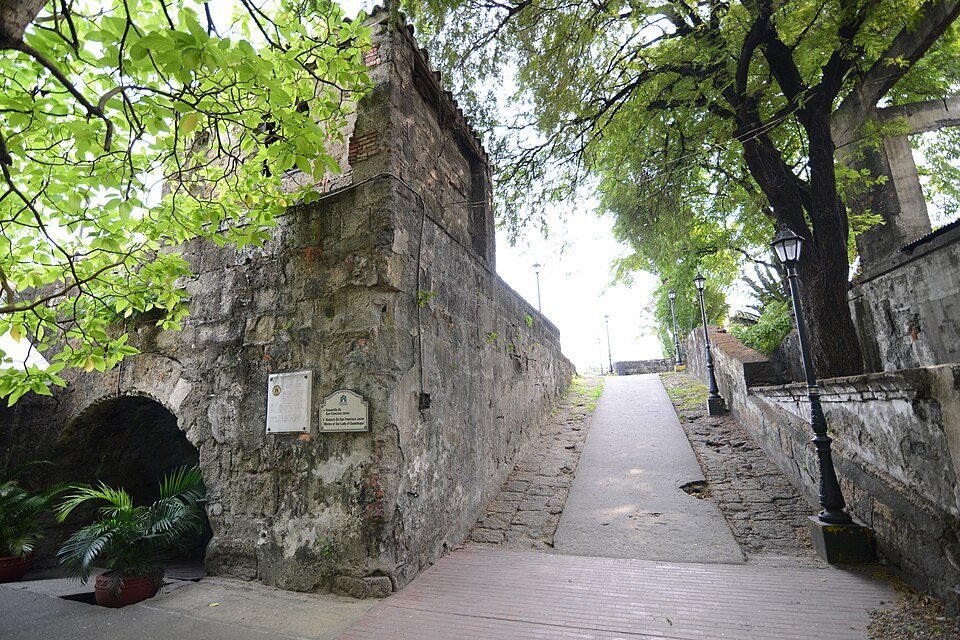
Intramuros is one of the best areas of Manila to explore on foot. Within its historic walls, many of the city’s most important landmarks are close enough together to visit during a single walk.
Allow around half a day for this route if you want time to enter the major attractions rather than simply walk past them.
1. Start at Fort Santiago
Begin at Fort Santiago, at the northern end of Intramuros.
The fortress once guarded the entrance to the Pasig River and later became closely connected with Philippine national hero José Rizal, who was imprisoned here shortly before his execution in 1896.
Allow approximately one to two hours if you want to explore the grounds, Rizal Shrine, fortifications and dungeons.
2. Walk to Plaza Roma
From Fort Santiago, walk south through the streets of Intramuros toward Plaza Roma.
The plaza was historically one of the most important public spaces in colonial Manila. Today it provides an excellent stopping point because two major Intramuros landmarks stand nearby.
Take some time simply to look around. Intramuros is as much about its streets, walls and atmosphere as its individual attractions.
3. Visit Manila Cathedral
Facing Plaza Roma is Manila Cathedral, one of the Philippines’ most important Roman Catholic churches.
The cathedral has been rebuilt several times following earthquakes, fires and war. The present building was completed in 1958 after its predecessor was destroyed during the Battle of Manila in 1945.
Allow around 30–45 minutes for a visit when the cathedral is open to visitors.
4. Continue to San Agustin Church
From Manila Cathedral, continue through Intramuros to San Agustin Church.
Completed in 1607, it is the oldest surviving stone church in the Philippines and forms part of the UNESCO-listed Baroque Churches of the Philippines.
Step inside to see its remarkable interior and painted ceiling. If you have time, visit the adjoining San Agustin Museum as well.
Allow around one to two hours for the church and museum.
5. Wander Through the Historic Streets
After visiting the major landmarks, give yourself some unstructured time.
Walk through the smaller streets, look at the old walls and gates, explore the plazas and notice the mixture of restored colonial-style buildings and modern Manila life.
This is one part of the route where slowing down improves the experience. You do not need another attraction every five minutes.
6. Walk Along the Walls
Where accessible, explore sections of the old fortifications surrounding Intramuros.
The walls once formed Manila’s defensive perimeter and remain one of the defining features of the district.
From elevated sections you can also get a different perspective over Intramuros and the surrounding city.
Stop for Food or Coffee
By this point you will probably be ready for a break.
Intramuros has restaurants, cafés and small places to stop for refreshments. This is also a good opportunity to try Filipino food before continuing your day.
How Long Does the Walk Take?
For the walking route itself, allow approximately two hours.
For a proper visit that includes Fort Santiago, Manila Cathedral, San Agustin Church and time to explore the streets, allow four to six hours.
That makes Intramuros particularly suitable for a half-day Manila itinerary.
Best Time to Explore Intramuros
Morning is an excellent time to begin, particularly if you plan to spend several hours walking.
Starting early also leaves plenty of time to visit attractions before they close.
Another attractive option is the later afternoon, when the temperature begins to ease and the light becomes softer. Check individual attraction opening hours when planning your visit.
For more information about seasonal weather, rainfall and the most comfortable months for sightseeing, read our guide to the best time to visit Manila.
What to Bring
Comfortable walking shoes are useful because you will spend much of the visit on foot.
Bring drinking water and sun protection, particularly during the hotter parts of the day. A small umbrella can be useful for both strong sunshine and sudden rain.
And bring a camera or phone — Intramuros is one of Manila’s most photogenic historic areas.
Continue Exploring Manila
Intramuros is close to several other major Manila attractions.
From here you can continue toward Rizal Park, visit the National Museum of Fine Arts, head to Manila Ocean Park, or finish the day watching the sunset beside Manila Bay.
Explore Manila One Step at a Time
Intramuros rewards walking.
Rather than rushing between landmarks, allow time to notice the old stone walls, church towers, plazas, gates and quieter streets between the major attractions.
A few hours here provides one of the best introductions to Manila’s history — and one of the easiest ways to experience several of the city’s most important places in a single day.
← Explore more Things to Do in Manila
- Photo Credits
- Fort Santiago historic walls and walkway: Jorge Láscar, via Wikimedia Commons, licensed under CC BY 2.0. Cropped/resized by Manila.PH. Source: https://commons.wikimedia.org/wiki/File:Fort_Santiago_(17105350108).jpg · Licence: https://creativecommons.org/licenses/by/2.0/
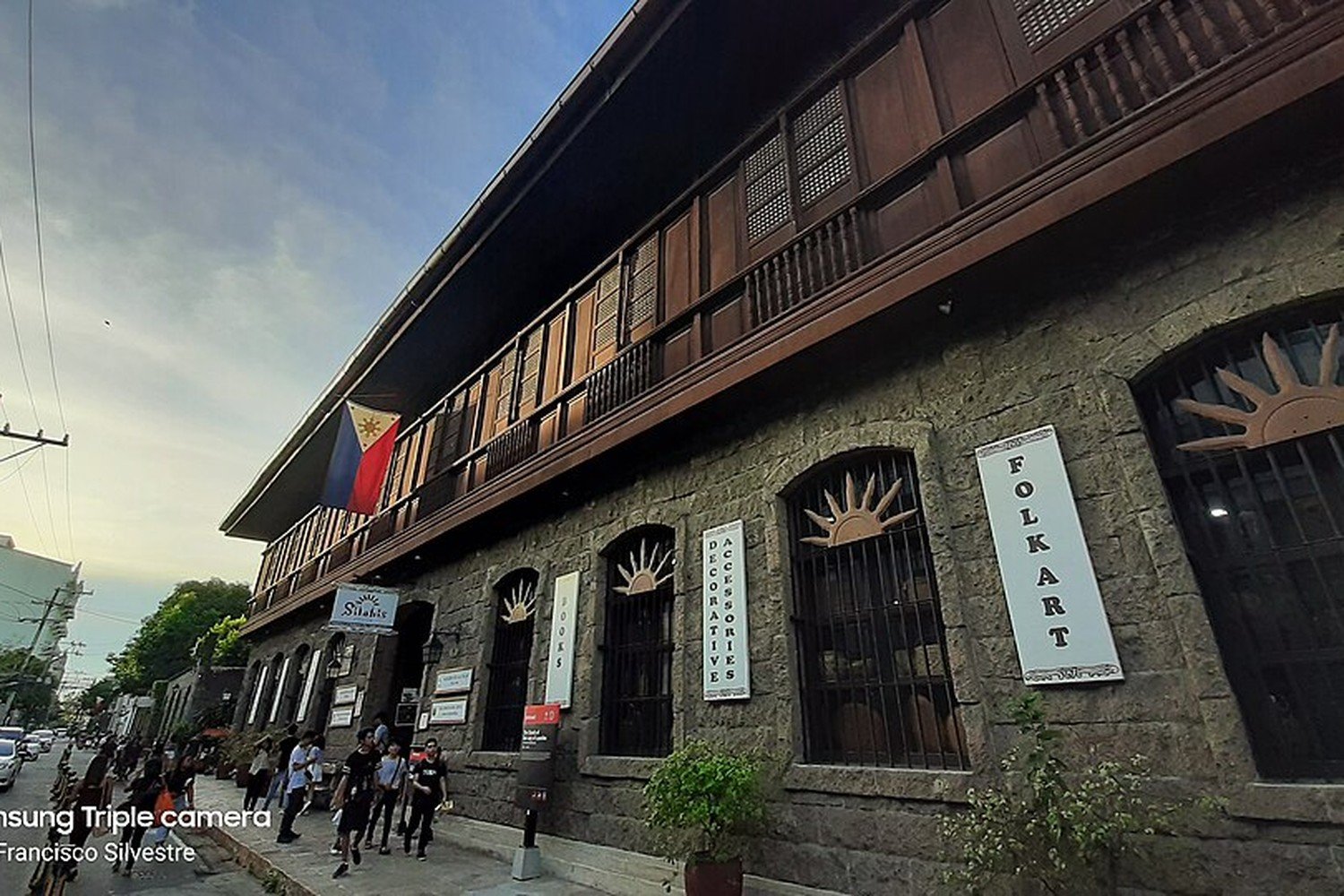
- Historic stone building: AFS Photography via Wikimedia Commons, licensed under CC BY-SA 4.0. Cropped/resized by Manila.PH. Source: https://commons.wikimedia.org/wiki/File:Intramuros_afs.jpg · Licence: https://creativecommons.org/licenses/by-sa/4.0/
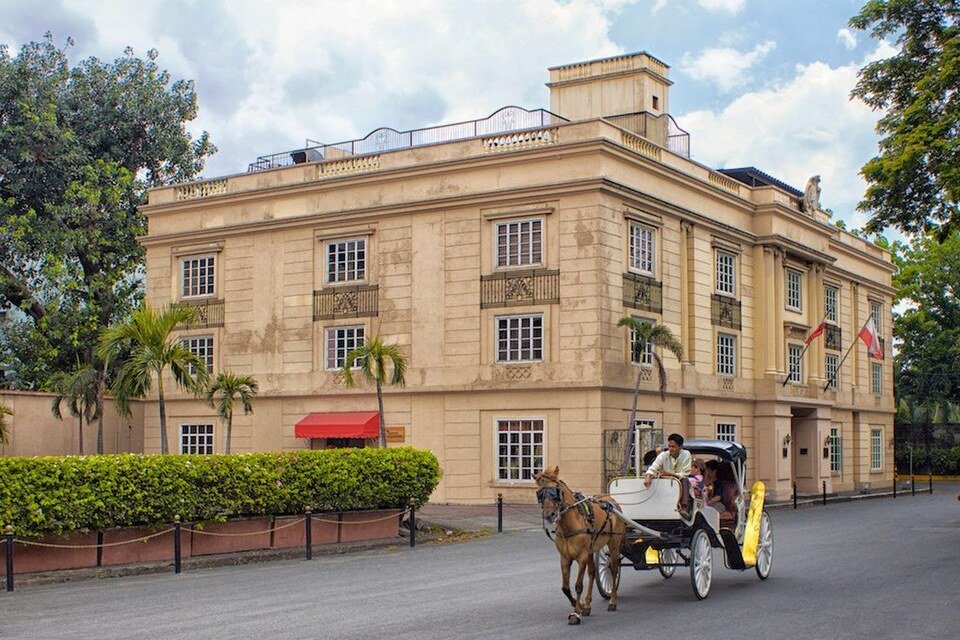
- Kalesa at Heroes Square, Intramuros: Ray in Manila, via Wikimedia Commons, licensed under CC BY 2.0. Cropped/resized by Manila.PH. Source: https://commons.wikimedia.org/wiki/File:Kalesa_at_Heroes_Square,_Intramuros,_Manila.jpg · Licence: https://creativecommons.org/licenses/by/2.0/
.jpg)

