
Step inside the historic heart of Manila and explore centuries of Philippine history within the walls of Intramuros.
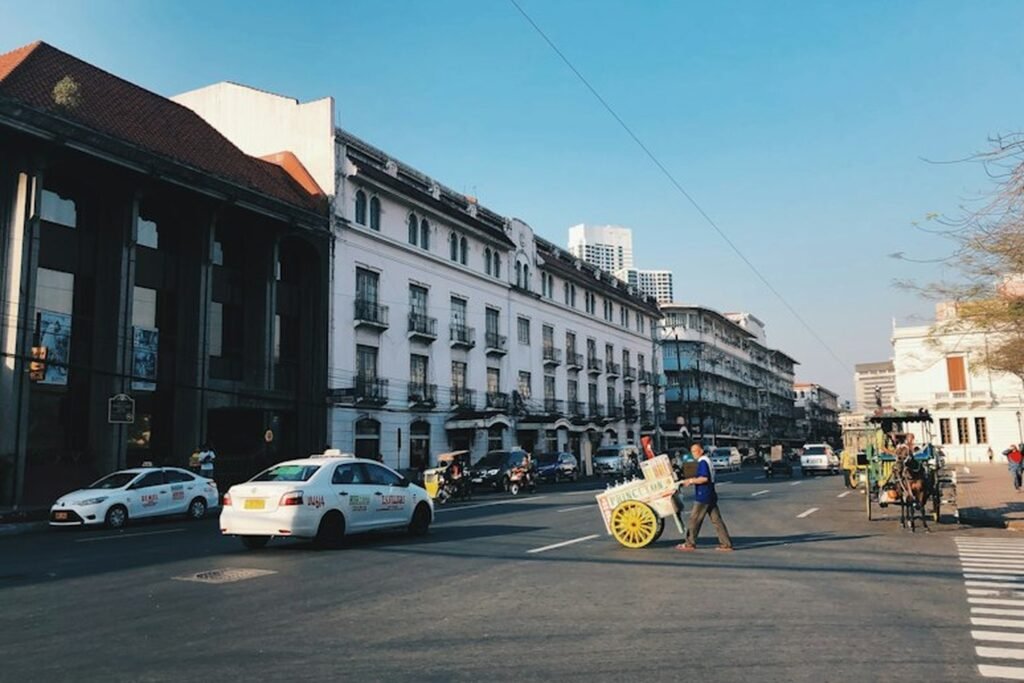
Intramuros is one of the most important historic areas in Manila. Its name means “within the walls,” referring to the defensive walls that surrounded the city established by the Spanish in the 16th century.
Today, Intramuros combines historic churches, fortifications, museums, plazas, old streets, restaurants, and reminders of both the grandeur and the turbulent history of colonial Manila.
It is one of the best places to begin exploring the city.
Fort Santiago
Fort Santiago is one of the best-known landmarks in Intramuros.
Built as part of Manila’s defensive system, the fort has witnessed centuries of Philippine history. It is particularly associated with national hero José Rizal, who was imprisoned here shortly before his execution in 1896.
Visitors can explore the fortifications, gardens, plazas, museum areas, and sections overlooking the Pasig River.
Allow time simply to walk around. The fort is as much about experiencing the surroundings as seeing individual exhibits.
Manila Cathedral
The Manila Cathedral stands on Plaza Roma at the heart of Intramuros.
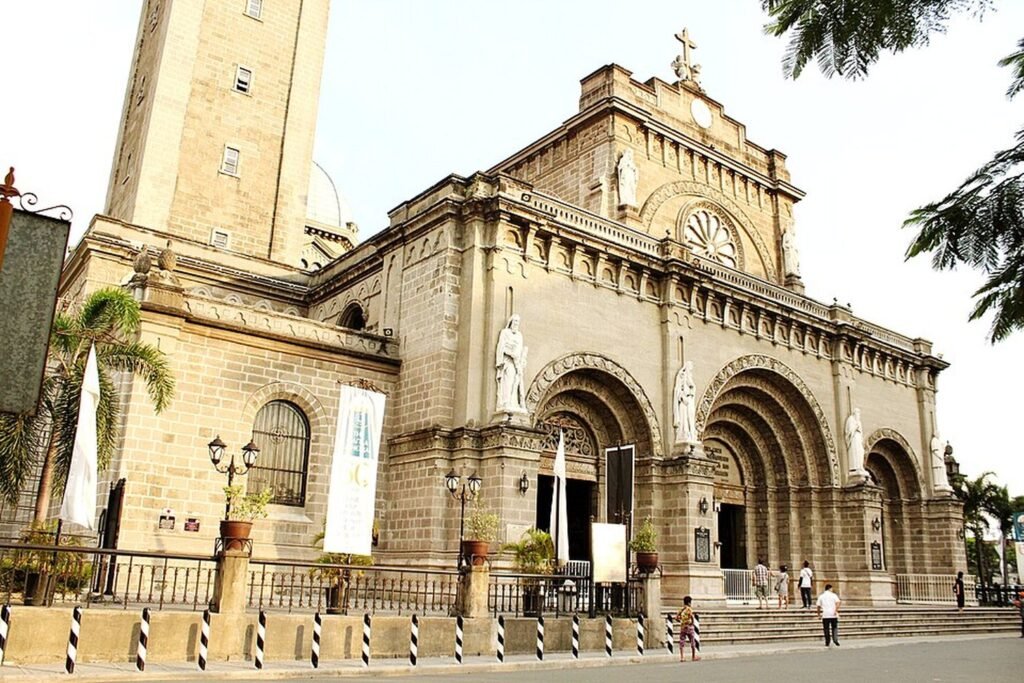
The present cathedral is the latest of several structures built on the site after earlier buildings were damaged or destroyed by earthquakes, fires, typhoons, and war.
Its long history reflects the history of Manila itself.
The cathedral remains an active place of worship as well as one of the most recognizable landmarks in the old city.
San Agustin Church
San Agustin Church is one of the great historic treasures of Manila.
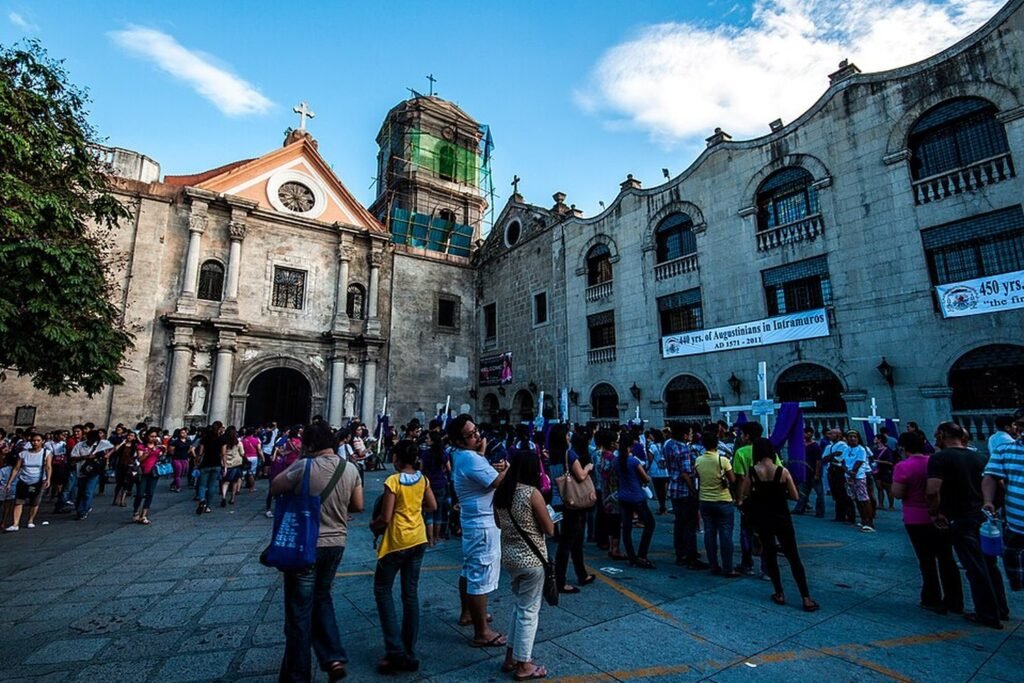
Completed in the early 17th century, it survived the destruction that devastated much of Intramuros during World War II. It is the oldest surviving stone church in the Philippines and forms part of the UNESCO-listed Baroque Churches of the Philippines.
The adjoining San Agustin Museum contains religious art, historical objects, and collections connected with the church and its long history.
Casa Manila
Casa Manila offers a glimpse into the lifestyle of a wealthy household during the Spanish colonial period.
The reconstructed house is furnished with period-style furniture, decorative objects, and household items arranged around a traditional courtyard.
It is particularly useful for understanding everyday life beyond the churches, forts, and political history of Intramuros.
Walk the Streets and Walls
Intramuros is best experienced partly on foot.
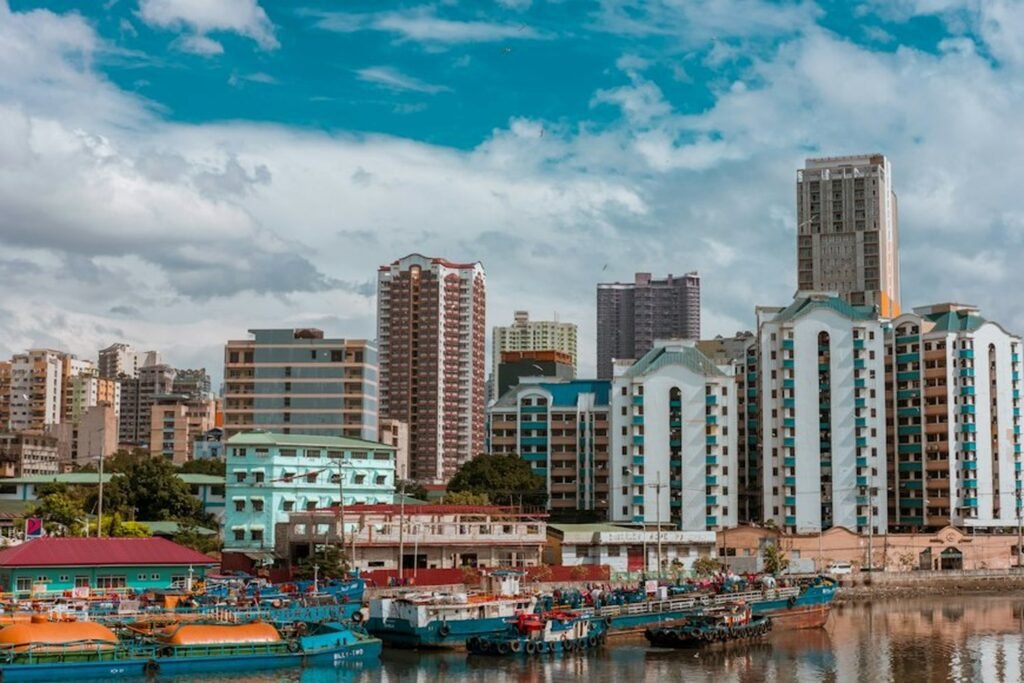
Walk along its streets, explore the plazas, look at the remaining walls and gates, and take time to notice the mixture of restored buildings, ruins, churches, schools, government buildings, cafés, and modern life within the historic district.
Some sections of the fortifications can be explored more closely, giving a better sense of how substantial the original walled city was.
How Much Time Do You Need?
Allow at least half a day for Intramuros if you want to visit several of the major attractions without rushing.
A few hours can cover the highlights, while a full day gives you time for museums, churches, Fort Santiago, walking, photography, and a relaxed meal.
Because many attractions are relatively close together, Intramuros is one of the easier parts of Manila to explore on foot.
Getting to Intramuros
Intramuros is located beside the Pasig River in the historic center of Manila.
Taxis and ride-hailing services are among the simplest options for visitors coming from other parts of Metro Manila. Public transportation can also bring you close to the district, followed by a walk or short local ride.
As elsewhere in Metro Manila, travel time can vary considerably depending on traffic.
Tips for Visiting
Wear comfortable shoes because Intramuros rewards walking. Manila can be hot and humid, so bring water and consider exploring earlier in the morning or later in the afternoon.
Churches remain active places of worship, so dress and behave respectfully when entering them.
Opening hours and admission charges can change, particularly for museums and individual attractions, so check current information before travelling.
More to See Nearby
Intramuros is close to several other major Manila attractions.
Rizal Park, the National Museum Complex, Manila City Hall, and parts of Ermita are nearby, making it easy to combine Intramuros with other places during the same day.
Discover Historic Manila
Intramuros is more than a collection of old buildings. It is a place where many layers of Philippine history meet — Spanish colonial rule, religion, trade, revolution, war, destruction, independence, and preservation.
Walk through its gates and you are entering one of the places that shaped Manila.
For anyone wanting to understand the city rather than simply see it, Intramuros is an excellent place to start.
← Explore more Places to Visit in Manila
- Photo Credits:
- Fort Santiago: Markadan, via Wikimedia Commons, licensed under CC BY 4.0. Cropped/resized by Manila.PH. Source: https://commons.wikimedia.org/wiki/File:Fort_Santiago,_Intramuros,_Manila.jpg · Licence: https://creativecommons.org/licenses/by/4.0/
- San Agustin Church: Armanbarbuco, via Wikimedia Commons, licensed under CC BY-SA 3.0. Cropped/resized by Manila.PH. Source: https://commons.wikimedia.org/wiki/File:San_Agustin_Church_-_Intramuros.jpg · Licence: https://creativecommons.org/licenses/by-sa/3.0/
- Manila Cathedral: Jabrian37, via Wikimedia Commons, licensed under CC BY-SA 4.0. Cropped/resized by Manila.PH. Source: https://commons.wikimedia.org/wiki/File:The_Manila_Cathedral,_Intramuros,_Manila.jpg · Licence: https://creativecommons.org/licenses/by-sa/4.0/
- Intramuros street: Melvin Glinoga, via Unsplash, free to use under the Unsplash License. Cropped/resized by Manila.PH. Source: https://unsplash.com/photos/people-and-vehicle-on-the-street-near-building-6_dPS21Qw-E · Licence: https://unsplash.com/license


